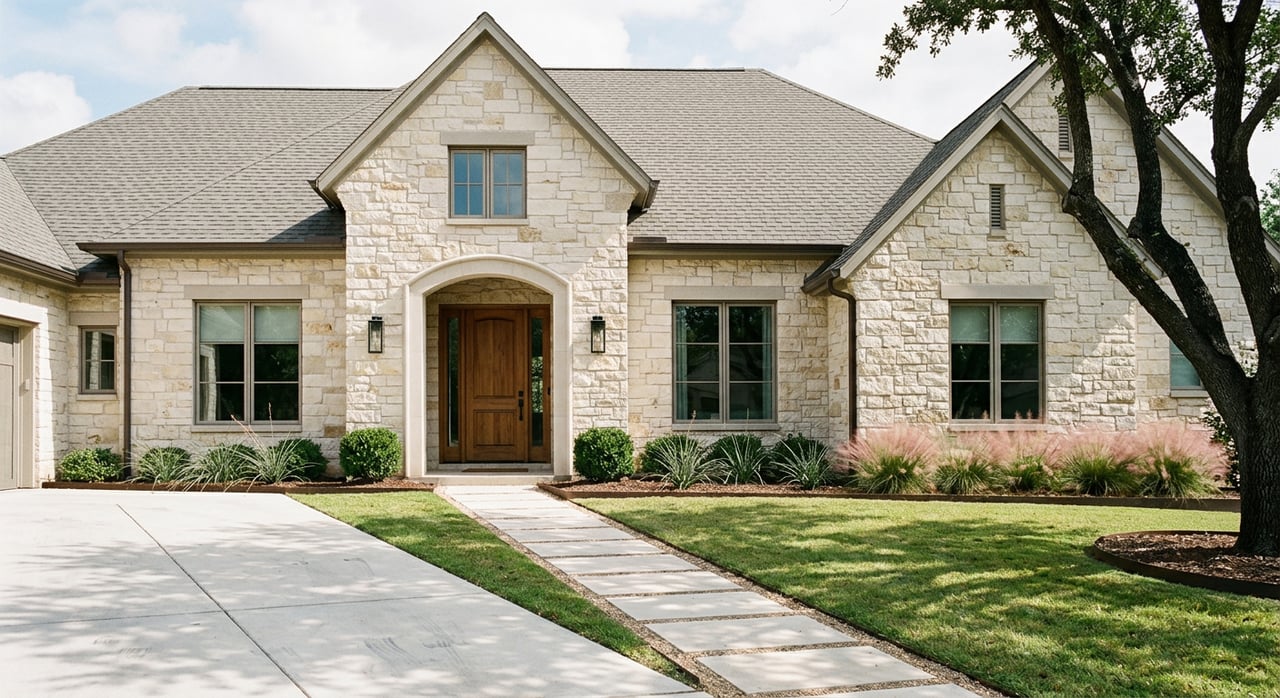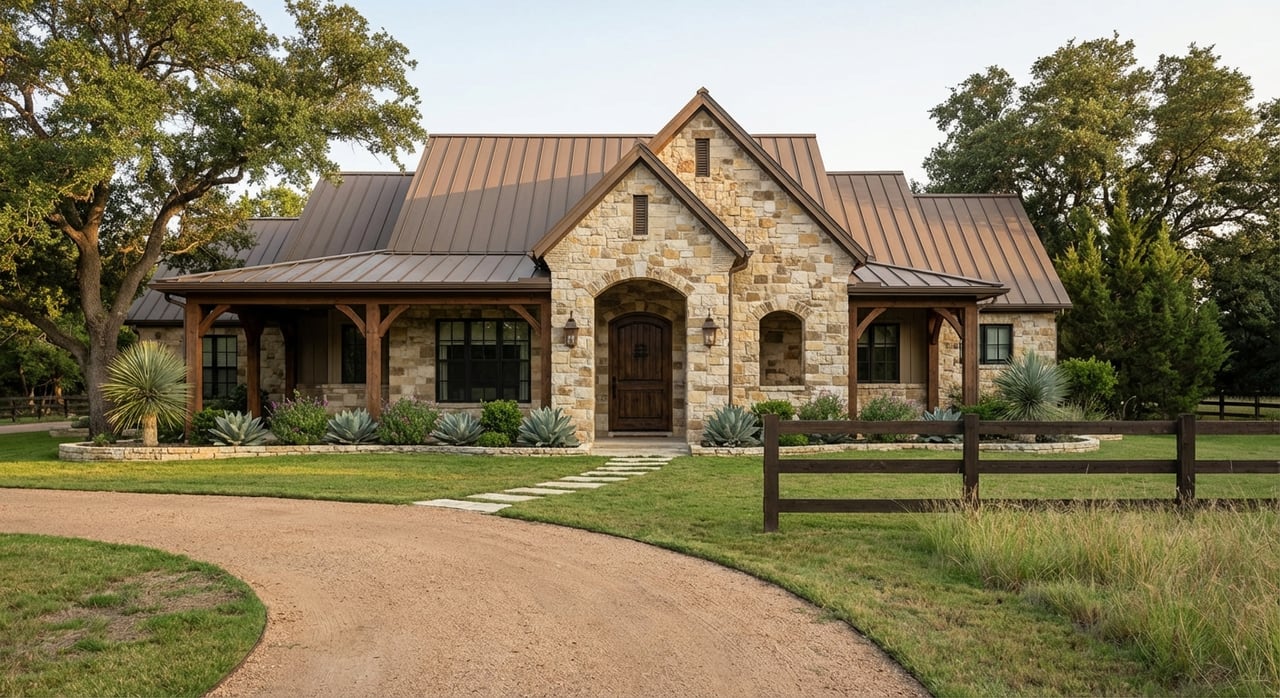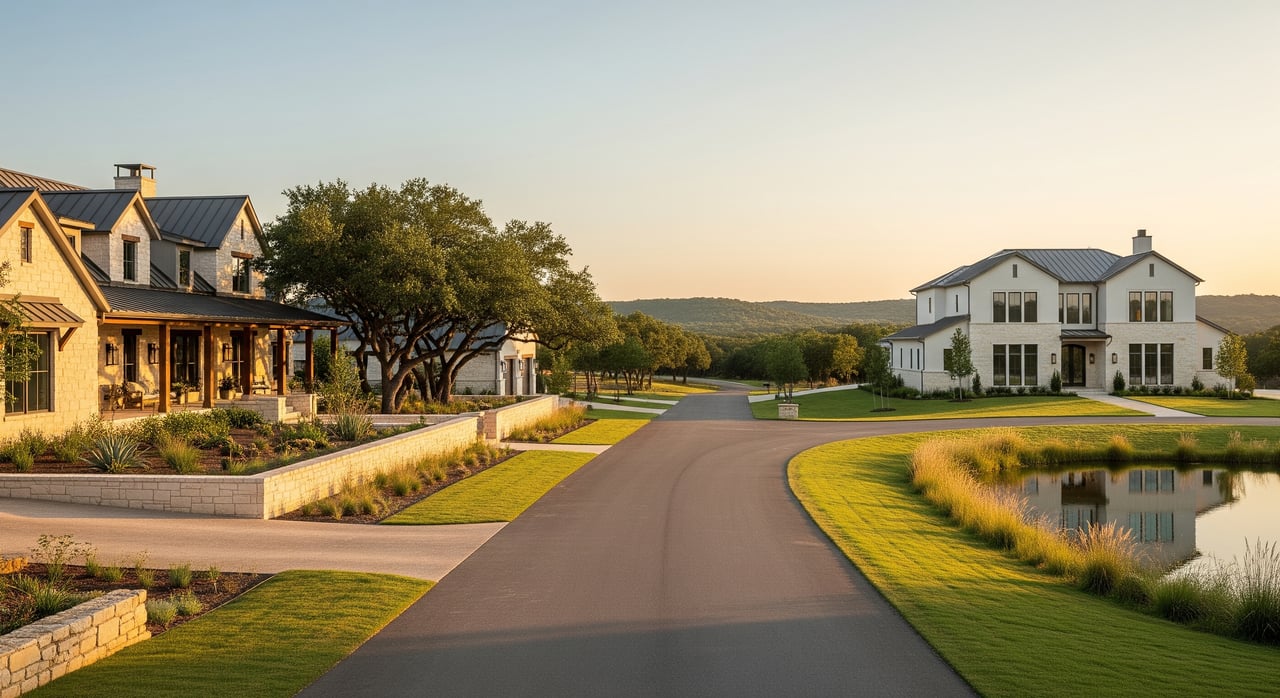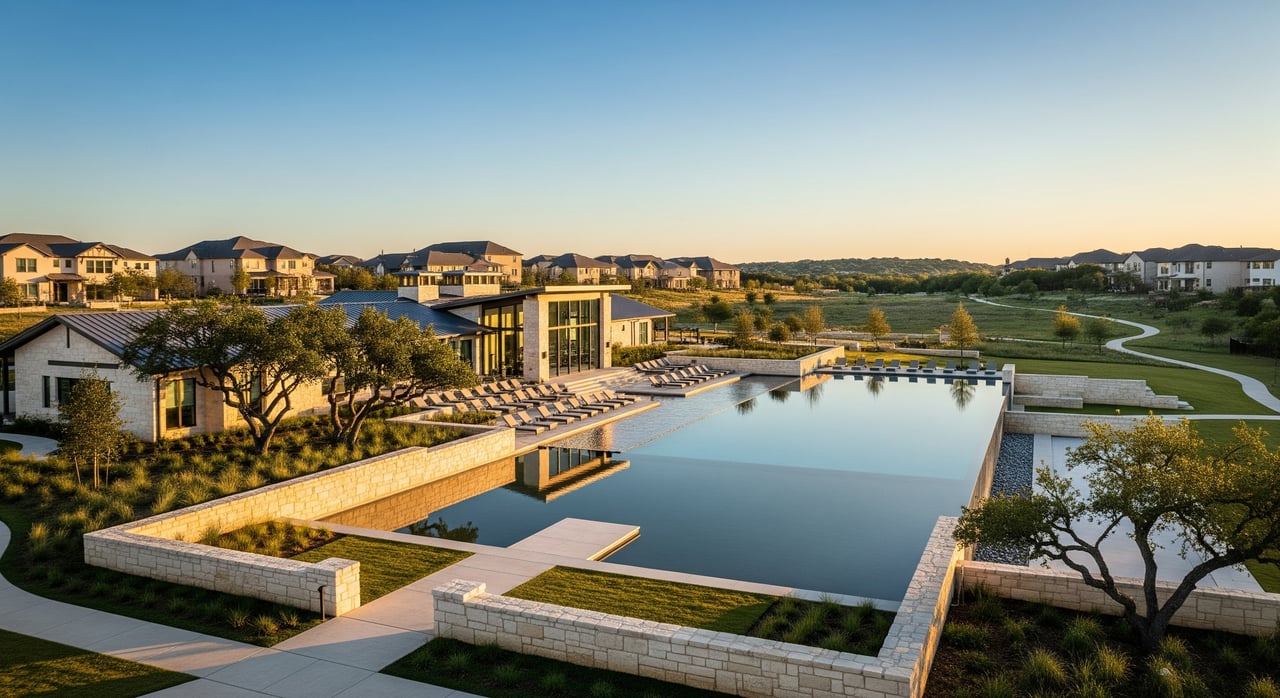
Considering Wolf Ranch in Georgetown and wondering what a master-planned community really means for your daily life and budget? You want the convenience and community feel without surprises on rules, fees, or future development. In this guide, you will learn what defines a master-planned community, how those features affect lifestyle, costs, and resale, and what to verify specifically when you evaluate Wolf Ranch. You will also get a practical checklist for touring and making confident decisions. Let’s dive in.
Master-planned community basics
A master-planned community, or MPC, is a large, purpose-designed neighborhood built under a long-range development plan. It blends residential areas with amenities and public uses such as parks, trails, and sometimes mixed-use town centers. Development happens in phases, and a single developer or a coordinated group sets design standards and builds common infrastructure during the build-out.
MPCs are designed for a complete lifestyle, not just a collection of homes. That means you often see amenities, programming, and an association that oversees community standards. Over time, governance can transition from the developer to homeowners.
Core features you’ll see
- Amenities such as pools, recreation centers, parks, walking and biking trails, playgrounds, sports fields, and community event spaces. Some communities introduce golf or a town center with local shops and dining.
- Governance by a homeowner association, sometimes with both a master association and neighborhood sub-associations. Rules are set through CC&Rs, bylaws, and architectural guidelines enforced by an architectural review committee.
- Design standards that guide exterior finishes and colors, fencing, landscaping, driveway and parking, and accessory structures. Some rules address use restrictions like short-term rentals or home-based businesses.
- Infrastructure and open space developed and maintained during early phases, including landscape corridors, detention ponds, and greenbelts. Streets inside the community can be public or private.
- Mixed use and walkability that can place everyday conveniences closer to home.
- Long build timelines and phasing, with developer control that may transition to resident leadership.
How it affects daily life
The lifestyle is the draw. With on-site recreation and trails, you can fit in a walk, take the kids to a park, or attend a community class without leaving the neighborhood. If there is local retail or a town center nearby, quick errands can be easier.
Community programming often builds identity. Events, clubs, and sports leagues can help you connect. If you prefer privacy, you can still enjoy the amenities at your own pace.
There are tradeoffs. Covenants and design reviews protect consistency and can boost curb appeal, but they also limit freedom on paint colors, fencing, parking, and exterior changes. It is smart to confirm rules up front so there are no surprises after closing.
Costs to expect
Budget for more than the mortgage. MPCs include ongoing ownership costs tied to common-area upkeep and amenities. You will want to understand these items before you make an offer.
- HOA dues. Dues fund landscaping, amenity operations, and administration. They range widely and can be billed monthly, quarterly, or annually depending on the association.
- Reserves and special assessments. Healthy associations set aside reserves for major repairs. If reserves are low, owners may face special assessments. Ask for the current reserve study and a five-year assessment history.
- Taxes and municipal or utility fees. Property taxes follow county appraisal rules. New developments sometimes layer in city utility or district fees during build-out, such as a municipal utility district. Confirm the specifics for the home you are considering.
- Upfront transfer costs. In Texas, resale certificates and HOA transfer fees are common. Factor them into your closing budget.
Resale and risk factors
Amenities and well-kept common areas can support pricing and draw a broad buyer pool when the association is well managed. Predictable assessments and consistent standards are positive signals for marketability.
Watch for potential risks that can hurt resale:
- Overly restrictive covenants that deter buyers, such as strict rental limits that do not match your plans.
- Deferred maintenance of common areas, closed amenities, or unclear maintenance responsibilities.
- Ongoing litigation, large special assessments, or a pattern of frequent assessments.
- Developer control that extends longer than expected without a clear transition plan.
Your long-term value will also track local conditions like commute routes, access to employment centers, and the community’s reputation.
Financing and Texas rules
Most single-family homes in MPCs fit conventional, FHA, and VA financing. If you are considering condos or neighborhoods with heavier rental activity, confirm any project approvals with your lender.
Insurance is split. The HOA insures common areas. You will carry your own homeowners policy for the structure and personal property. Make sure you know what the HOA policy covers and whether there are flood or hazard considerations.
Texas has specific HOA statutes for disclosure and resale. Under Texas Property Code Chapter 209, sellers and associations must provide required resale certificates and governing documents. Use these documents to understand rules, budgets, and reserves before you finalize your purchase.
Wolf Ranch in Georgetown: what to verify
Wolf Ranch is a master-planned community in Georgetown positioned for Austin-area buyers who want suburban living with neighborhood amenities. Because features and policies evolve as communities grow, verify current details using primary documents and local agencies.
Here is what to request and confirm for Wolf Ranch:
- Association structure. Identify the master association and any sub-associations. Ask whether developer control has transitioned to residents for your section.
- Governing documents. Obtain CC&Rs, bylaws, rules, and architectural guidelines, plus the current budget and reserve study.
- Dues and assessments. Confirm current dues, billing frequency, what is included, recent or pending special assessments, and a five-year history.
- Amenities and access. Ask which amenities are complete, which are planned, and who can use them. Confirm guest policies and any separate user fees.
- Phase map and future plans. Review a master plan or phase map that shows undeveloped parcels and planned commercial or medium-density areas.
- Common-area and infrastructure ownership. Determine whether roads, parks, and greenbelts are public or privately maintained by the HOA.
- Schools. Confirm current Georgetown ISD attendance zones for the exact address.
- Local approvals and plats. Review City of Georgetown planning approvals and plats filed with Williamson County.
- Litigation and compliance. Ask about any pending or recent litigation involving the association or developer.
- Parking and rentals. Verify short-term rental rules and any rental caps that could affect your plans.
Where to find documents and contacts
- Wolf Ranch community or HOA website and the management company for governing documents, budgets, and amenity details.
- City of Georgetown Planning and Development for plats, zoning approvals, and site plans.
- Williamson County Clerk or Appraisal District for recorded plats, restrictive covenants, and property tax data.
- Georgetown ISD for current attendance boundaries and school information.
- Community Associations Institute for best practices on governance and reserve studies.
Touring checklist for Wolf Ranch
Use this step-by-step checklist to keep your evaluation focused and efficient.
Pre-visit homework
- Request CC&Rs, bylaws, rules and regulations, HOA budget, reserve study, recent meeting minutes, special assessment history, current dues, the developer’s master plan or phase map, and an amenity map.
- Confirm the exact school attendance zone with Georgetown ISD for the address you are considering.
- Check municipal records for future plats, permits, and any public improvement agreements.
Questions to ask the listing agent, HOA, and builder
- What is the HOA structure and who manages it? Is there a master association and a sub-association for this section?
- How much are dues, how often are they billed, and what do they cover? Are utilities or front-yard landscaping included?
- Is the developer still in control of any portion of the association? What rights remain and for how long?
- Have there been special assessments in the last five years? Are any anticipated?
- Is there a current reserve study and what percent of reserves is funded?
- Are there any ongoing or pending litigation matters involving the association or developer?
- Which amenities are complete versus planned? Are there access rules or separate user fees?
- Are there rental restrictions or short-term rental prohibitions?
- What architectural rules apply to exterior changes such as fencing, paint colors, sheds, solar panels, or satellite dishes?
- Are roads, streetlights, and parks public or privately maintained?
On-site observations during a tour
- Check landscaping and amenity condition. Well-kept common areas, clean pools, and functioning equipment point to active maintenance.
- Look for evidence of consistent standards. Random paint colors, varied fencing, or parking issues may indicate weak enforcement.
- Note traffic and noise at different times of day. Observe proximity to commuter routes and commercial areas.
- If appropriate, chat briefly with residents about responsiveness and community engagement.
- Review streetscape and signage for design consistency.
Red flags to investigate
- Low reserves combined with recent large special assessments or a repeated assessment pattern.
- Significant, unresolved litigation involving the association or developer.
- Developer control lingering beyond normal expectations without a transition plan.
- Closed or poorly maintained amenities that are marketed as included.
- Rules that conflict with your goals, such as strict rental limits if you plan to lease.
Negotiation and closing tips
- Use HOA documents to craft your offer strategy. Request that the seller provide current resale certificate items.
- Ask for proof of paid dues and disclosure of any pending special assessments as part of closing.
- Build in time to review HOA documents within your inspection or contract contingency period.
- For resale homes, confirm the HOA’s resale certificate cost and turnaround times in line with Texas requirements.
Is Wolf Ranch right for you?
If you value convenience, recreation close to home, and a cohesive neighborhood look, an MPC like Wolf Ranch can be a strong fit. The structure and standards help protect curb appeal, and amenities can elevate your daily routine.
If you want maximum flexibility for exterior changes or you prefer fewer rules, you may need to weigh that against the benefits of shared amenities and maintenance. Your best move is to match the rules, fees, and build-out plan to your lifestyle, commute, and long-term goals.
If you are evaluating Wolf Ranch or nearby Georgetown neighborhoods, you do not have to do it alone. Connect with a local advisor who understands association documents, phasing, and market trends so you can make a confident choice. To start a tailored search or request guidance on documents and touring, reach out to Marion Lamantia.
FAQs
What is a master-planned community in Texas?
- A master-planned community is a purpose-designed neighborhood built in phases that integrates housing with amenities and public uses, managed by an HOA with design standards and common-area oversight.
How much are HOA dues in Wolf Ranch?
- Dues vary by section and association; request the current amount, billing frequency, what is included, and a five-year dues and special assessment history from the HOA or seller.
Are short-term rentals allowed in Wolf Ranch?
- Short-term rental rules are set by the governing documents; verify whether any prohibitions or rental caps apply to your specific section and home type.
Which schools serve Wolf Ranch homes?
- Attendance zones are set by Georgetown ISD and can change; confirm the current assignments for the exact property address directly with the district.
How do MPCs affect resale in Georgetown?
- Quality amenities, consistent standards, and solid HOA management can support marketability, while litigation, large assessments, or deferred maintenance can harm resale. Review documents and recent history before you buy.