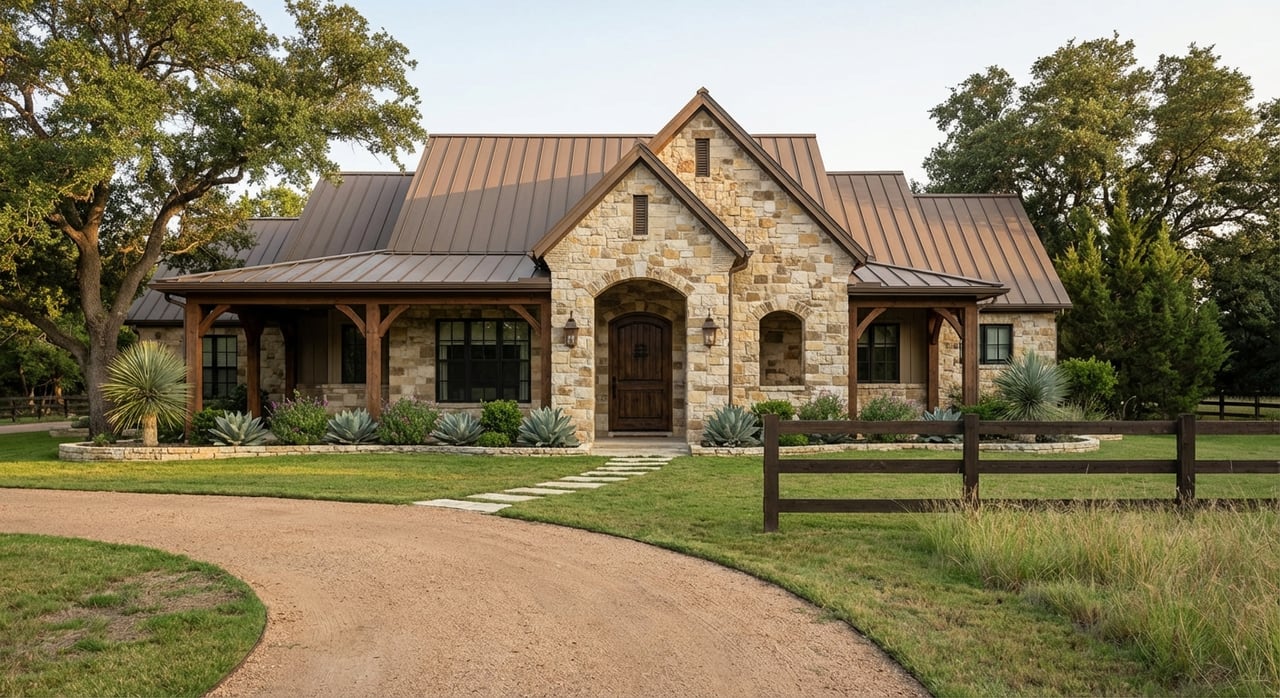
Craving space, trees, and quiet without giving up Georgetown convenience? Shady Oaks Estates delivers a Hill Country vibe with one-acre lots, custom homes, and easy access to everyday needs. If you have been eyeing acreage living, you likely want privacy and room to spread out, but you also need clear details on utilities, HOA rules, schools, taxes, and the market. This guide breaks down how life works on an acre in Shady Oaks and what to verify before you buy. Let’s dive in.
Shady Oaks at a glance
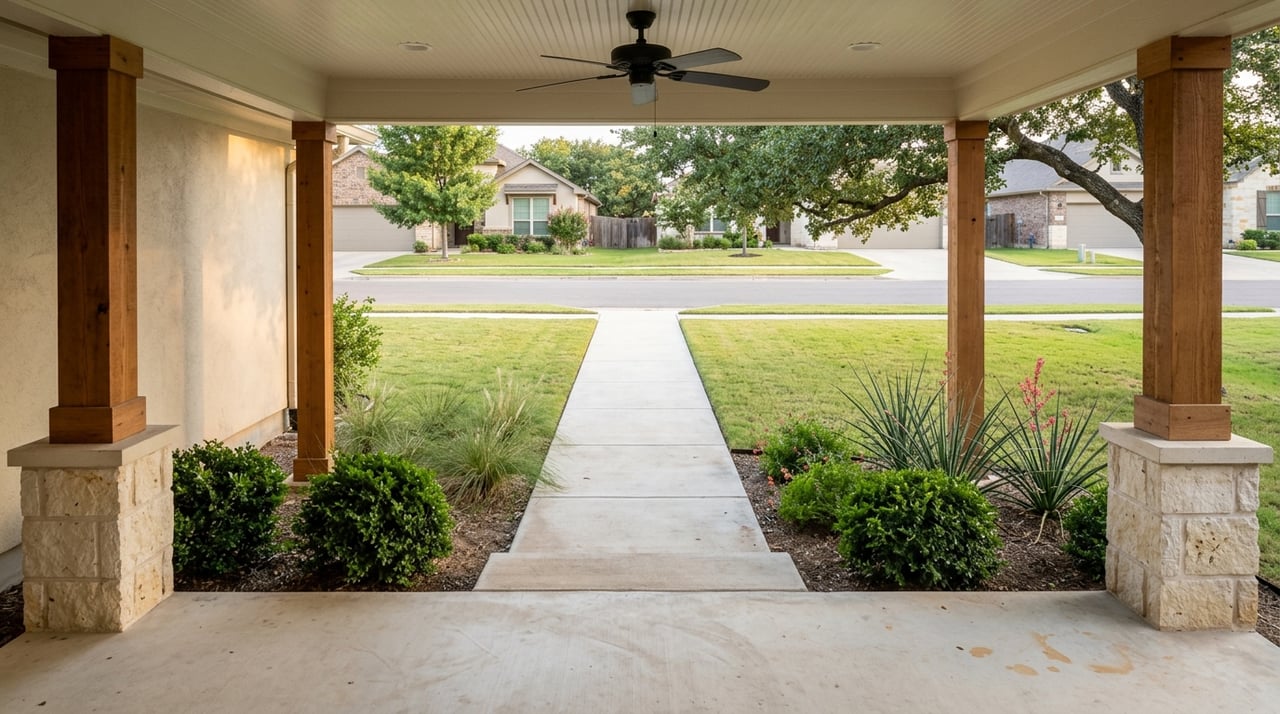
Shady Oaks Estates sits on the west side of the Georgetown postal area near Highway 195, adjacent to Sun City. It is a mature, custom-home community with sections built mostly in the 2000s and later. The neighborhood is described as park-like, with preserved live oaks, generous setbacks, and a low-traffic feel. You will notice a rural touch, including streets that often lack sidewalks, which highlights the acreage intent of the community. Learn more about the community through the Shady Oaks Estates HOA.
Lots and home styles
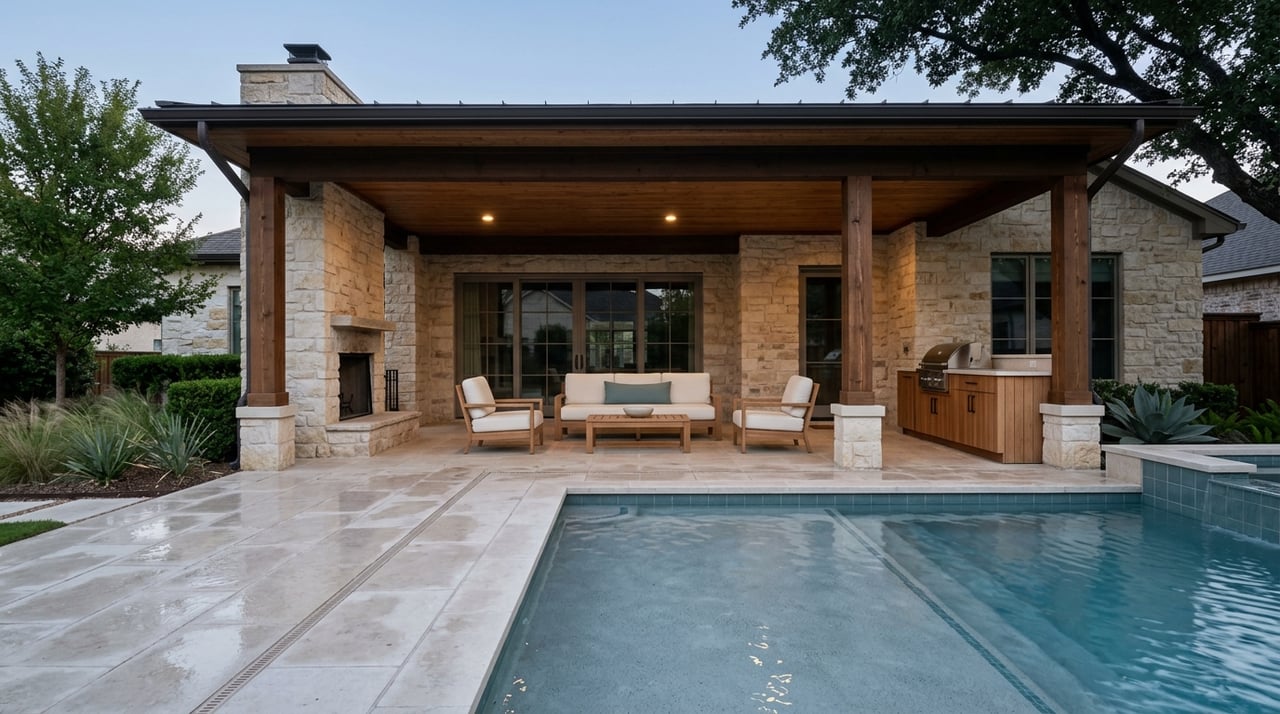
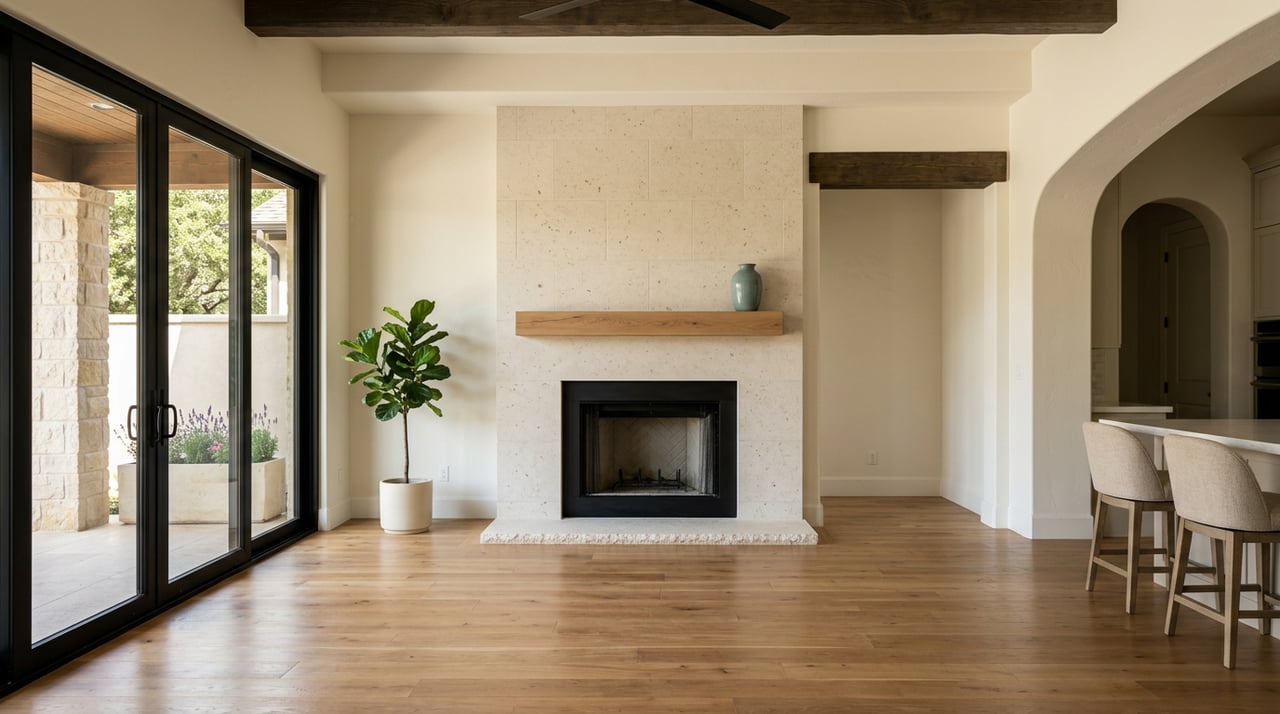
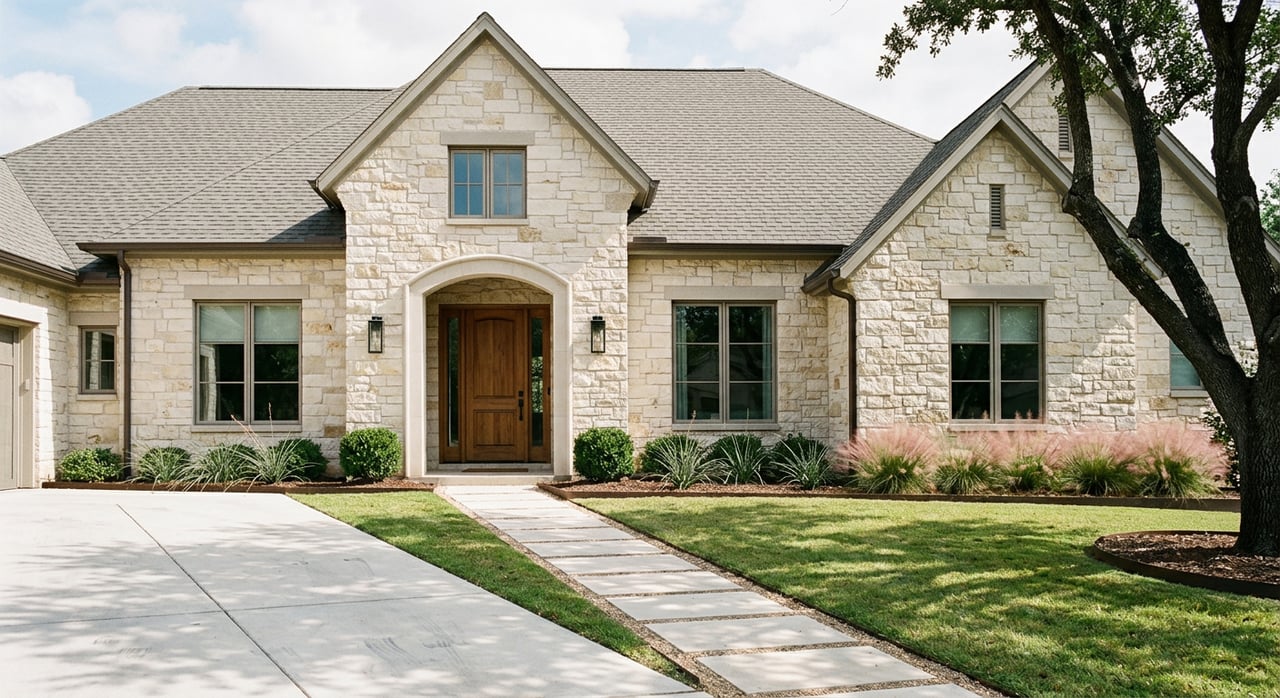
Most parcels in Shady Oaks are about 1.0 acre, with some slightly larger. Homes lean single-story, custom or semi-custom, with Texas stone or stucco exteriors. You will often see large garages and outdoor living areas like covered patios, pools, and outdoor kitchens. The HOA is small and commonly low-fee, and it maintains architectural controls, so exterior changes typically go through review.
Utilities and infrastructure
Water and wastewater
Many properties connect to public water while using on-site septic systems for wastewater. Always confirm the setup for the specific address during your option period. If the home uses septic, the EPA recommends routine care, including inspections every 1 to 3 years and pumping about every 3 to 5 years depending on usage. You can review maintenance guidance on the EPA’s septic care page.
Some parcels may have private wells instead of public water. If a property uses a well, Texas agencies recommend regular testing, including annual bacteriological checks and additional chemistry as needed. The Texas Water Development Board outlines testing options and resources for private wells. See guidance on TWDB’s private well sampling page.
Power, internet and telecom
Electric service in this part of Williamson County is typically provided by large transmission and distribution utilities or municipal systems where applicable. Internet availability varies by address, with fiber and fixed providers in parts of the area. Always verify speeds and provider coverage for the home you are considering. You can explore options by address with tools like Find Better Internet’s Georgetown page.
Roads, access and flood checks
You get quick connections to Highway 195, I-35, and Toll 130 for commutes to Georgetown, Round Rock and beyond. Actual drive times depend on traffic and destination. Most listings in the area flag FEMA flood status, but maps can change, so it is smart to verify any parcel’s floodplain status through county and FEMA resources. Williamson County offers a helpful overview on its Flood Protection Plan page.
Everyday life on one acre
A one-acre lot gives you space for outdoor living, gardens, a pool, or a workshop, plus a sense of privacy that smaller-lot neighborhoods cannot match. You also take on more maintenance than a typical suburban yard. Expect regular mowing, oak tree care, and fence upkeep. The neighborhood has native wildlife, including deer, and the HOA asks residents not to feed them to encourage safe coexistence. You can review community expectations with the Shady Oaks Estates HOA.
For errands and services, residents rely on Georgetown for groceries, dining, and medical care. St. David’s Georgetown Hospital serves the area. Many locals describe Shady Oaks as roughly 6 to 10 miles from downtown Georgetown and major shopping, which keeps daily routines manageable while preserving a quiet home setting.
Schools, taxes and HOA basics
Public listings commonly show Shady Oaks served by Jarrell Independent School District. Because school boundaries can change, confirm attendance zones for your exact address directly with the district. For district tax information, the district shares updates on its Jarrell ISD tax information page.
Property taxes vary by parcel and year. Recent listings show example annual tax bills in the low to high five figures, often around 11,000 to 16,000 dollars depending on assessed value. Rates are set each year by the county, the school district and other taxing entities. For current county budget and tax rate information, check Williamson County’s Budget and Tax Rate Info page.
The HOA fee is typically modest, with many listings citing about 120 dollars per year. Architectural controls apply to exterior changes, so plan to review the covenants and the architectural review process before you start a new project.
Market snapshot
Inventory in Shady Oaks is limited because the subdivision is relatively small and not highly transactional. That slower cadence can tighten choice at any given time. Recent snapshots from 2023 to 2025 show many one-acre custom homes trading from the mid 600s to the high 900s, depending on square footage, updates and lot position. For up-to-date comparables, review current MLS data when you are ready to evaluate an offer.
Buyer due diligence checklist
Use this list to make sure you understand the property you are buying. Verify each item for the specific parcel.
- Confirm the address and legal parcel on Williamson County property records to see assessed value and taxing jurisdictions. Start with the county’s Budget and Tax Rate Info page and the county tax office.
- Check school attendance zones with Jarrell ISD for your specific address. For district tax context, see Jarrell ISD’s tax information.
- Verify the water source and provider. If the home has a private well, plan for routine testing per TWDB’s private well guidance.
- Confirm the wastewater setup. If septic, request maintenance records and plan for periodic pumping per EPA septic care recommendations.
- Check FEMA and Williamson County flood mapping for floodplain status and potential insurance needs. Start with the county’s Flood Protection Plan overview.
- Obtain current HOA covenants, architectural guidelines, dues and any recent meeting minutes from the Shady Oaks Estates HOA.
- Review nearby land uses and planned developments. Local reporting has covered quarry activity and growth-area changes. See this Community Impact article on quarry concerns in Williamson County.
- Verify internet providers and speeds at the specific address with an address lookup tool like Find Better Internet.
- Ask for recent surveys, easement maps, and any documentation on propane or utility easements. Your title company will also outline encumbrances.
Tradeoffs to consider
Acreage living brings privacy and design freedom, but it also comes with added responsibility. Yard and tree care take time, and septic or well systems require proactive maintenance. Access is straightforward, but growth across Williamson County can affect traffic patterns over time. Some residents have raised concerns about nearby quarries related to noise and dust, so it is wise to visit at different times of day and review local reports before you decide. A careful due diligence process helps you balance the peace of a one-acre lot with the practical realities of country-leaning infrastructure.
Next steps
If you want the space and calm that Shady Oaks offers, a tailored plan makes the search smoother. A parcel-by-parcel review of utilities, flood status, school zoning, internet options and HOA rules will help you move forward with confidence. For a curated tour of available homes, on-the-ground insights, and a data-backed pricing strategy, connect with Marion Lamantia.
FAQs
Are Shady Oaks Estates lots really about one acre?
- Most parcels are recorded around 1.0 acre, with some slightly larger; always confirm the exact size on the plat or county record for the specific address.
Does a Shady Oaks home have city water and sewer?
- Many homes connect to public water but rely on an on-site septic system for wastewater; verify each property’s setup during due diligence.
How much are HOA dues in Shady Oaks Estates?
- Listings commonly cite about 120 dollars per year, but you should confirm current dues and rules with the Shady Oaks Estates HOA.
Which public schools serve Shady Oaks Estates?
- Public listings show service by Jarrell ISD; confirm attendance zones for your exact address with the district since boundaries can change.
What is the price range for Shady Oaks homes?
- Recent snapshots show many one-acre custom homes trading from the mid 600s to the high 900s, depending on size, upgrades and lot position.
What maintenance should I expect on a one-acre lot?
- Plan for regular mowing, oak tree care, fence upkeep and septic maintenance, plus routine well testing if a private well is present.
Is flooding a concern in Shady Oaks Estates?
- Many parcels are not shown in the FEMA floodplain, but you should always confirm the specific lot’s status using FEMA and Williamson County maps.
How is internet service in Shady Oaks Estates?
- Coverage and speeds vary by address; use an address lookup tool and a seller speed test to confirm providers before you buy.