Is your home beautifully decorated but you are not sure it will wow buyers? You are not alone. What looks and feels great for daily living does not always photograph or show its best when you list. In this guide, you will learn the difference between staging and decorating, what to stage first in Shady Oaks Estates, how media fits in, and a simple plan to launch with confidence. Let’s dive in.
Staging vs. decorating
Staging is a strategic, buyer-focused presentation of your home to maximize broad market appeal and perceived value. It is temporary and built for marketing and showings. Decorating is personal and meant for long-term living, with custom colors and sentimental items.
Key differences to keep in mind:
- Staging is marketing driven and temporary. Decorating is lifestyle driven and often permanent.
- Staging prioritizes how buyers read space, light, and flow. Decorating reflects your taste and routines.
- Staging uses neutral styling and the right furniture scale for photos and tours. Decorating can be bold and personal.
Why staging wins online and in person
A staged home photographs and shows better because it removes distractions and highlights what buyers value. Your goal is for each room to read clearly the moment a photo loads or a buyer steps inside.
Use these staging principles:
- Visual clarity and flow. Simplify and define each room so visitors and cameras see the purpose and pathways right away.
- Scale and proportion. Use properly scaled furniture to show usable space. Oversized or undersized pieces make photos feel odd and choppy.
- Light and contrast. Open window treatments, layer lighting, and balance bright surfaces so photos feel open and inviting.
- Focal points and sightlines. Emphasize architectural features like fireplaces, high ceilings, and outdoor views.
- Neutral styling. Keep palettes calm with minimal personal items so buyers can imagine their own life in the home.
- Emotional storytelling. Create vignettes like a cozy breakfast nook or an outdoor lounge to sell the lifestyle.
- Media-aware choices. Avoid glare, heavy reflections, or busy patterns that distort in photos and virtual tours.
Shady Oaks Estates staging priorities
Homes in Shady Oaks Estates often feature open layouts, high ceilings, premium kitchens, and indoor-outdoor living. Buyers commonly value outdoor amenities, upgraded kitchens, serene primary suites, and flexible home office space. Focus your time and budget where it counts most.
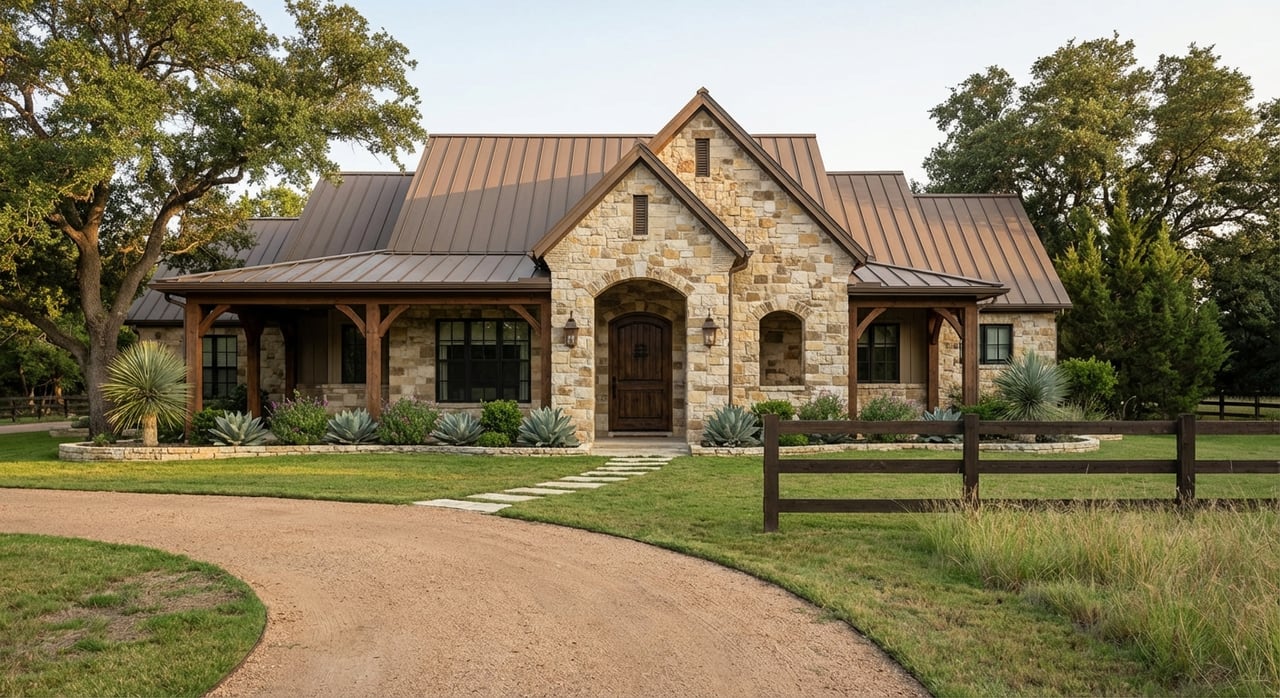
Curb appeal and entry
First impressions start online and at the curb. Tidy landscaping, fresh mulch, and clean hardscapes set the tone. Stage a simple porch seating moment and refresh door hardware so the entry looks polished.
Quick actions:
- Trim, weed, and add mulch.
- Power-wash driveway and walkways.
- Remove toys and extra gear from sightlines.
Great room and living areas
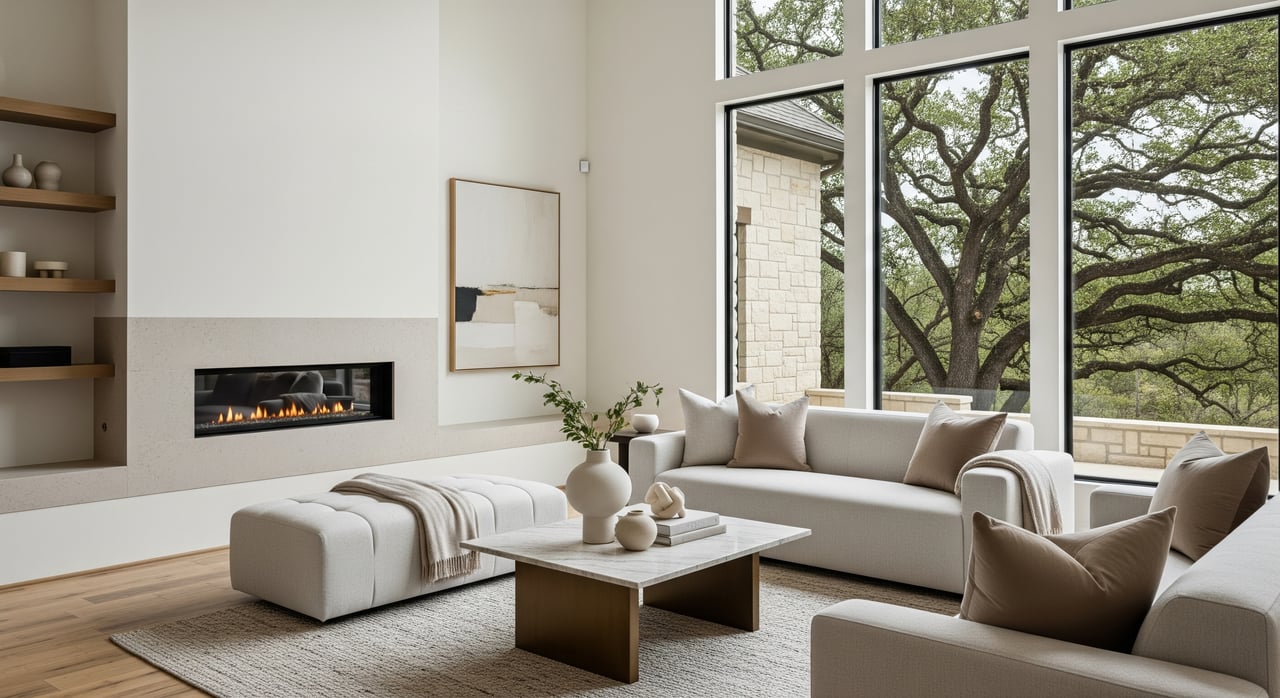
The great room anchors lifestyle and traffic flow. Define zones with rugs and seating that show conversation areas and clear pathways. Keep accessories minimal and let one focal point shine, such as a fireplace or a single statement artwork.
Pro tip: Choose furniture that fits a luxury suburban scale. Small apartment pieces make large rooms feel off.
Kitchen
Kitchens sell higher-end homes. Clear counters and style only a few items like a bowl of citrus or a vase. Turn on under-cabinet and pendant lights for photos. If certain finishes feel dated, explore small, strategic refreshes such as new hardware or a painted island if budget allows.
Show function:
- Add stools to the island.
- Style a simple breakfast setting.
- Keep the sink and appliances spotless.
Primary suite and bath
Buyers expect a calm, spa-like feel. Use layered, neutral bedding and minimal bedside styling. In the bath, remove personal products, add plush towels, a small plant, and ensure grout and fixtures are pristine.
If storage is a strength, stage closets to show capacity and order. Photograph the best angles to emphasize space and light.
Outdoor living and pool
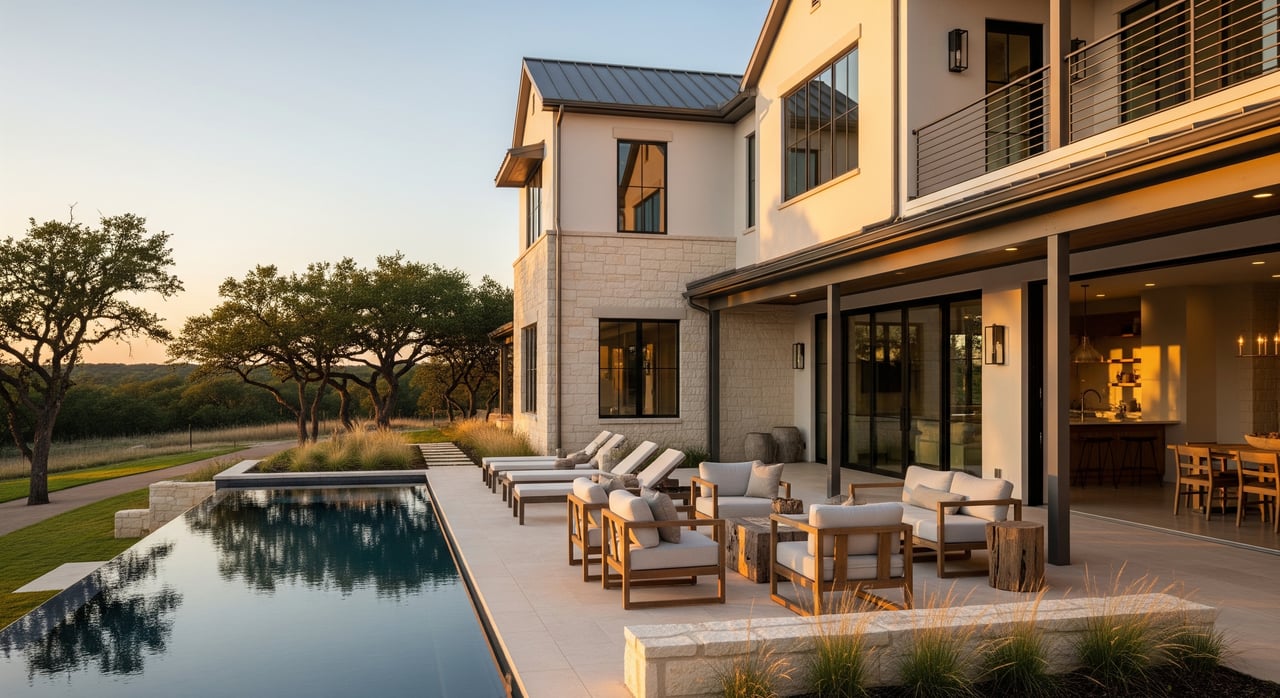
Indoor-outdoor living is a top priority in suburban luxury. Stage dining and lounge zones, set up the grill area, and keep the pool and landscaping photo ready. If the yard enjoys privacy or a treeline, style seating to highlight the view.
For marketing, plan twilight and drone images that showcase lighting and lot context.
Dining room and formal spaces
Formal rooms support the lifestyle story. Keep the table simple and elegant. Clear sideboards and add one or two balanced accents.
Home office and flex rooms
Remote work remains important. Stage a clean, productive desk setup with good task lighting. Minimize clutter and show built-in storage if available.
Guest rooms, secondary baths, and garage
Keep these spaces neutral and purpose-driven. Remove extra furniture, box personal items, and clear floors. In the garage, show storage capacity by removing cars and consolidating tools.
Media strategy: stage first, then capture
Your photos are the first impression online, so complete staging before the shoot. Then roll out the rest of the media in a sequence that builds momentum.
Recommended order:
- Stage the home fully.
- Capture professional still photos.
- Add 3D tour or floor plan, plus drone and twilight as needed.
- Record a video walkthrough.
- Launch online and host showings.
Photo and tour notes:
- Wide-angle photos need clear sightlines and clutter-free surfaces.
- Twilight and exterior shots benefit from staged outdoor seating and landscape lighting.
- Drone images show roof, pool, and lot, so curb appeal matters.
- Matterport and 3D tours work best with accurate furniture placement and open pathways.
Virtual staging can be a lower-cost option for vacant rooms in photos. It should be disclosed where required and may not replace the in-person experience during showings. Use it strategically alongside physical staging.
Choosing your photographer matters. Look for experience with suburban luxury homes and services like twilight, drone, and 3D tours so your staging work is captured at its best.
Costs and ROI: what to expect
Every property and budget is different, so choose the level of staging that aligns with your goals.
Common staging approaches:
- Consultation only. A stager provides a written plan and priorities you can implement yourself.
- Partial staging. Furnish and style key rooms like the great room, kitchen, primary suite, and outdoor areas. This often delivers strong impact for the cost.
- Full staging. Ideal for vacant luxury homes to create a unified, high-end look across major rooms and outdoor spaces.
- Virtual staging. Lower per-photo cost and fast turnaround for online images, best for vacant rooms. Disclose as required.
ROI realities:
- Staging tends to help homes sell faster and feel worth more to buyers. Results vary by market, price point, and the quality of staging.
- In suburban luxury, investments that highlight the kitchen, great room with indoor-outdoor flow, primary suite, and outdoor living usually move the needle more than secondary spaces.
Timeline: a staging-first listing plan
A simple, proven process helps you launch smoothly.
Step-by-step sequence:
- Walkthrough with your agent and stager to review condition, comps, and the target buyer profile.
- Receive a prioritized plan with room-by-room strategy, budget ranges, and a photo shot list.
- Prepare the home with decluttering, minor repairs, deep cleaning, and landscaping.
- Install furniture and styling before photo day.
- Capture professional photos, video, 3D tour, and drone as needed.
- Go live and maintain the staged look for showings.
Typical lead times:
- Staging scheduling: 1 to 3 weeks. Luxury or holiday windows may take longer.
- Photography and media: schedule immediately after staging. Allow 1 to 2 weeks depending on services and availability.
Seller checklist for Shady Oaks Estates
Use this quick list to stay on track:
- Before the stager arrives: deep clean, declutter, depersonalize, clear countertops, replace burnt bulbs, trim landscaping, and move cars from the driveway.
- On staging day: box personal items and store off-site if possible, and secure valuables.
- For photos: clean windows, open drapes, turn on all lights, and plan for pets and people to be out of the house.
- For showings: make beds, clear surfaces, hide pet items, and keep the exterior swept and tidy.
Common mistakes to avoid
- Scheduling photos before staging is complete.
- Using furniture that is too large or too small for the room.
- Over-accessorizing, which creates visual noise in photos.
- Ignoring lighting layers and window treatments that block light.
- Skipping outdoor staging even when the yard or pool is a major feature.
Ready to list with confidence
When you stage first, you give buyers a clear picture of space, flow, and lifestyle. In Shady Oaks Estates, that means showcasing indoor-outdoor living, a chef-ready kitchen, a serene primary suite, and a productive office setup. Pair that with professional media and a clear launch plan and you give your listing every advantage.
If you want a tailored, hands-on plan that fits your goals, connect with Marion Lamantia to request your free home valuation and a staging-first listing consultation.
FAQs
Is staging necessary if my home is nicely decorated?
- Yes. Personal decorating can limit appeal. Staging neutralizes taste, clarifies layout and scale, and helps photos and tours connect with more buyers.
Should I stage a vacant home in Shady Oaks Estates?
- Vacant homes benefit from physical or virtual staging because empty rooms look smaller and lack context. Use physical staging for key rooms and virtual staging as a supplement.
What rooms matter most to stage locally?
- Focus on the kitchen, great room with indoor-outdoor flow, the primary suite, and outdoor living. These areas tend to drive interest in suburban luxury listings.
Will virtual staging replace physical staging for my listing?
- No. Virtual staging boosts online images but does not deliver the same in-person experience. Use it strategically and disclose where required.
How long does the staging and media process take?
- Plan 1 to 3 weeks to schedule physical staging, then 1 to 2 weeks for photography and other media after staging is complete, depending on availability.