Looking for more space without giving up Georgetown convenience? That is the question many move-up buyers ask when they start comparing acreage-style neighborhoods in Williamson County. If Shady Oaks Estates is on your radar, this guide will help you understand what the neighborhood actually offers, who it tends to fit best, and where it may fall short. Let’s dive in.
What Shady Oaks Estates feels like
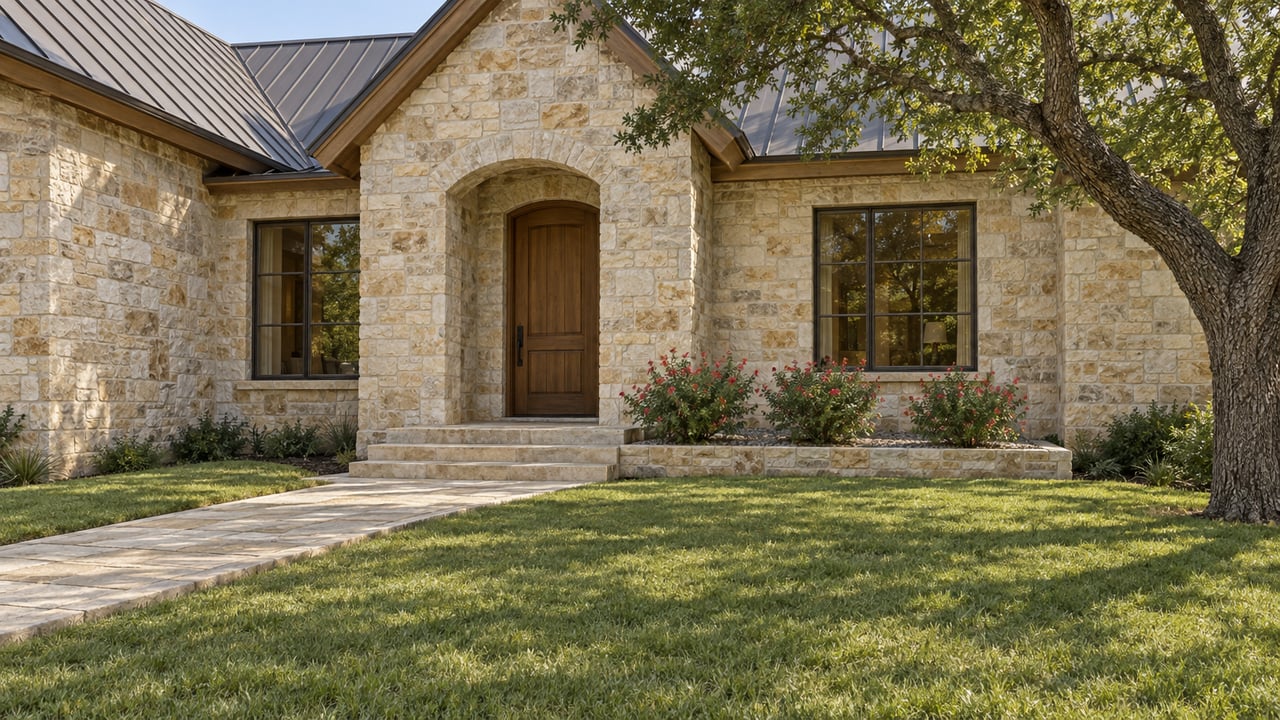
Shady Oaks Estates is an established Georgetown-area neighborhood with an active HOA presence identified in the City of Georgetown’s GIS data as Shady Oaks Estates 1-4 HOA. The neighborhood’s HOA describes it as a mature subdivision with wooded 1-acre lots, native oaks, stone homes, and a park-like setting about 10 miles from Georgetown’s city center.
That combination gives Shady Oaks a distinct identity. You get a quieter, more rural-feeling setting, but you are not stepping into a fully remote or unrestricted property type. For many buyers, that middle ground is exactly the appeal.
Why buyers notice Shady Oaks
Shady Oaks stands out because it is not a dense subdivision filled with similar homes on compact lots. Based on the available property examples and HOA description, the neighborhood leans toward estate-style living with custom homes, mature landscaping, and more breathing room between properties.
If you want privacy, outdoor living, and architectural variety, this neighborhood checks several important boxes. It appears especially appealing for buyers who want a polished setting with character rather than a more uniform suburban layout.
Lot sizes and home style
One of the clearest reasons buyers consider Shady Oaks is the lot profile. The HOA describes the neighborhood as having 1-acre lots, and public examples support that larger-lot pattern.
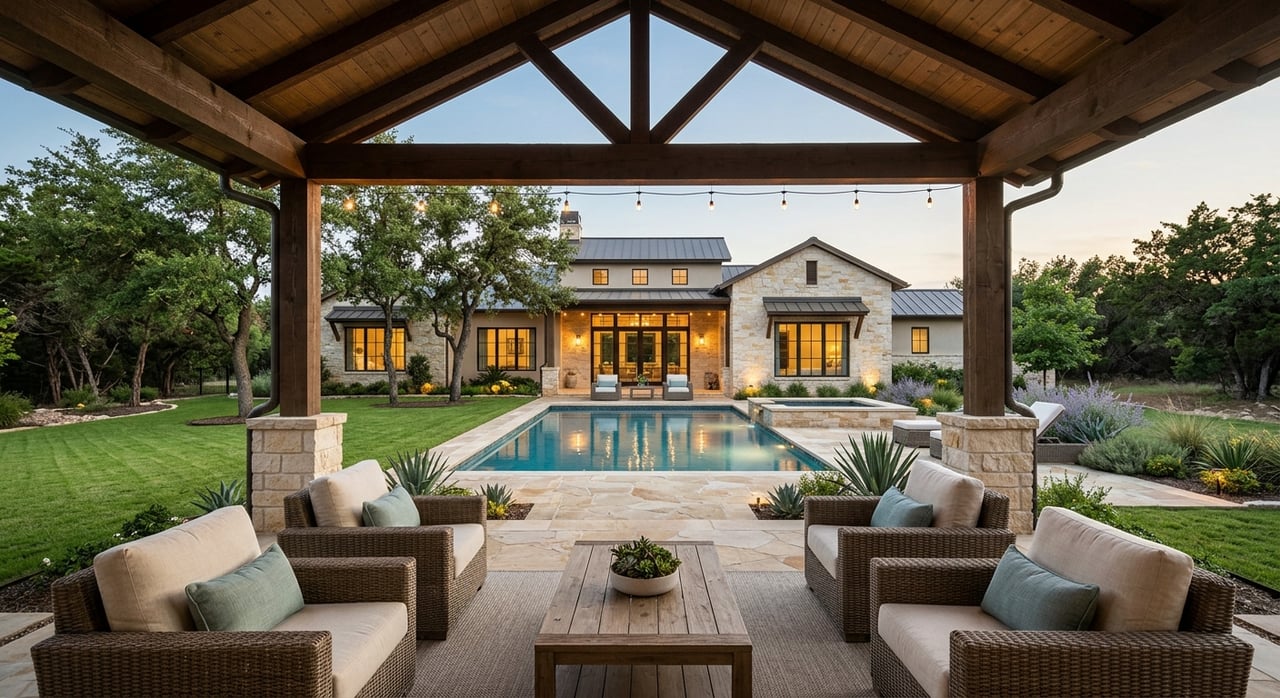
For example, Williamson County appraisal data for 112 Mariposa Bonita Cove shows a 3,005-square-foot home built in 2010 on 1.49 acres with a pool. A current listing at 101 Copper Leaf Court shows a 3,217-square-foot home built in 2006 on 1.37 acres with a covered patio, spa, mature oaks, and an oversized 3-car garage.
Another recent example at 113 Ten Oaks Drive was a 4,420-square-foot custom home built in 1998 on 1.25 acres with a pool and waterfall spa. Taken together, these examples suggest that Shady Oaks is not just about larger lots. It is about a specific kind of larger-lot living centered on custom homes, mature trees, and strong indoor-outdoor appeal.
Design character matters here
If style and presentation matter to you, Shady Oaks may feel especially compelling. The HOA describes stone homes and emphasizes that no two homes are alike, which points to a neighborhood with more custom visual character than a production-built subdivision.
That means you may see features such as substantial stone exteriors, mature oak canopies, larger patios, and garages that support both daily living and storage needs. For buyers who value a more curated, established look, that can be a major advantage.
HOA rules and what they mean
Shady Oaks does have an active HOA, and that matters when you are weighing flexibility versus structure. According to the HOA FAQ, annual dues are $120 for an improved lot and $30 for an unimproved lot, with payment due by January 31.
The fee level is relatively modest, but the HOA is involved in neighborhood oversight. Its committee structure includes architectural control, traffic and safety, landscape efforts, and community liaison or welcome functions.
Exterior changes need approval
The HOA also requires approval for many exterior changes. According to the HOA committee information, building plans, specifications, and site plans must be reviewed before construction or alterations, including items such as exterior paint, roofs, window additions, new buildings, patio changes, and masonry landscaping.
For you as a buyer, this creates an important tradeoff. You may gain a more consistent neighborhood appearance and a sense that standards are being maintained, but you should not expect a no-rules environment.
Who Shady Oaks fits best
Shady Oaks appears to be a strong fit if you want:
- A custom single-family home
- A wooded estate-style lot around 1 acre or more
- More privacy than a typical suburban subdivision
- Outdoor living features like pools, patios, or larger garages
- A neighborhood with HOA standards, but not heavy master-planned pricing
- Access to Georgetown without living in a dense in-town setting
For move-up buyers, that blend can be very attractive. You get more land and a more established visual setting while still staying connected to major roads, shopping, and Georgetown amenities.
When Shady Oaks may not fit
Every neighborhood has tradeoffs, and Shady Oaks is no exception. It may be a weaker fit if you want true multi-acre separation, no HOA involvement, or a community built around extensive shared amenities.
If your goal is 3 or more acres with fewer neighborhood controls, this probably will not feel expansive enough. If you want a highly amenitized master-planned experience, it may also feel too understated.
How Shady Oaks compares nearby
When you compare Shady Oaks with other Georgetown-area options, its niche becomes easier to see. It sits somewhere between smaller established neighborhoods and larger acreage communities.
Here is a simple side-by-side view based on the research provided:
| Neighborhood | Typical feel | Lot size pattern |
|---|---|---|
| Shady Oaks Estates | Custom estate-lot neighborhood with active HOA | Around 1 to 1.5+ acres in examples |
| Chaparro Estates | More land, less neighborhood structure | Around 4.51 to 5.009 acres in examples |
| Olde Oaks | Established HOA neighborhood with mature feel | Around 0.45 to 0.97 acres in examples |
| Country Club Acres | Older, more in-town neighborhood feel | About 0.53 acres in example |
| Cross Country Estates | Aviation-focused residential airpark | Specialized use, not a typical acreage comparison |
Shady Oaks versus Chaparro Estates
If you want significantly more land, Chaparro Estates may be the stronger match. Current examples show homesites around 4.51 acres and 5.009 acres, which puts it in a different acreage category than Shady Oaks.
That said, more land often means a different tradeoff in neighborhood structure and feel. Shady Oaks appears better suited to buyers who want estate-style lots with a more defined neighborhood identity.
Shady Oaks versus Olde Oaks
Olde Oaks offers an established Georgetown setting with mature trees, but the lot sizes are generally smaller. Recent examples show lots around 0.45 to 0.97 acres, which is still generous by many standards but typically less expansive than Shady Oaks.
If your priority is maximizing lot size while staying in an established area, Shady Oaks likely has the edge. If you want a similar mature feel with a somewhat smaller footprint, Olde Oaks may also be worth exploring.
Shady Oaks versus Country Club Acres
Country Club Acres appears to offer a more conventional older neighborhood setting with a more in-town feel. A sample property there was a 1966-built home on 0.53 acres, which is notably smaller than the Shady Oaks examples.
This makes Shady Oaks the stronger option if your focus is privacy, estate-style spacing, and custom-home character. Country Club Acres may appeal more if you prefer an older established area with less land to maintain.
A practical way to think about it
The easiest way to understand Shady Oaks is this: it appears to offer a middle ground between tightly regulated master-planned living and unrestricted acreage. You get larger lots, custom homes, and a mature setting, but you also have an active HOA and review process for many exterior changes.
For the right buyer, that balance is the sweet spot. It can give you privacy and character without feeling disconnected from Georgetown.
Bottom line for your move
If you are searching for privacy, mature trees, custom design, and estate-style lots without leaving the Georgetown area behind, Shady Oaks Estates deserves a serious look. Its combination of wooded lots, established homes, modest HOA dues, and active standards makes it a compelling option for buyers who want a more refined acreage-style neighborhood.
The best next step is to compare it directly with your alternatives based on land needs, design preferences, and how much HOA structure feels comfortable to you. If you want help weighing Shady Oaks against other Georgetown-area neighborhoods, Marion Lamantia can help you narrow the field and find the right fit.
FAQs
Is Shady Oaks Estates in Georgetown, Texas?
- Shady Oaks Estates is a Georgetown-area neighborhood, and the HOA is identified in the City of Georgetown’s GIS data as Shady Oaks Estates 1-4 HOA.
What are lot sizes like in Shady Oaks Estates?
- The HOA describes the neighborhood as having 1-acre lots, and public property examples in the research range from about 1.25 to 1.49 acres.
Does Shady Oaks Estates have an HOA?
- Yes. The neighborhood has an active HOA, with annual dues listed as $120 for an improved lot and $30 for an unimproved lot.
Do you need approval for exterior changes in Shady Oaks Estates?
- Yes. The HOA states that many exterior changes and construction plans require approval, including items like paint, roofs, window additions, patios, and new buildings.
Is Shady Oaks Estates a good fit for acreage buyers?
- It can be a strong fit if you want estate-style lots around 1 acre with neighborhood standards, but it may be less ideal if you want 3 or more acres or a no-HOA setup.
How does Shady Oaks Estates compare with other Georgetown acreage-style neighborhoods?
- Based on the research, Shady Oaks offers more land than neighborhoods like Olde Oaks or Country Club Acres, but less acreage than Chaparro Estates, placing it in a middle category.