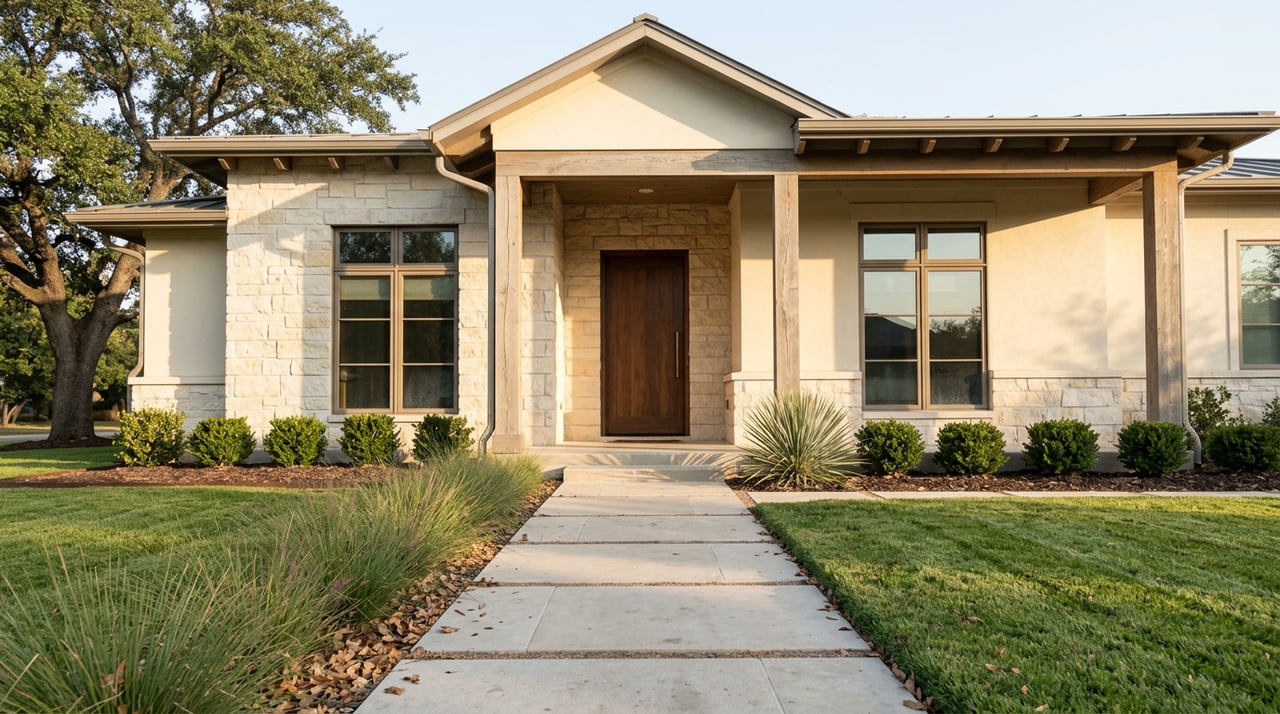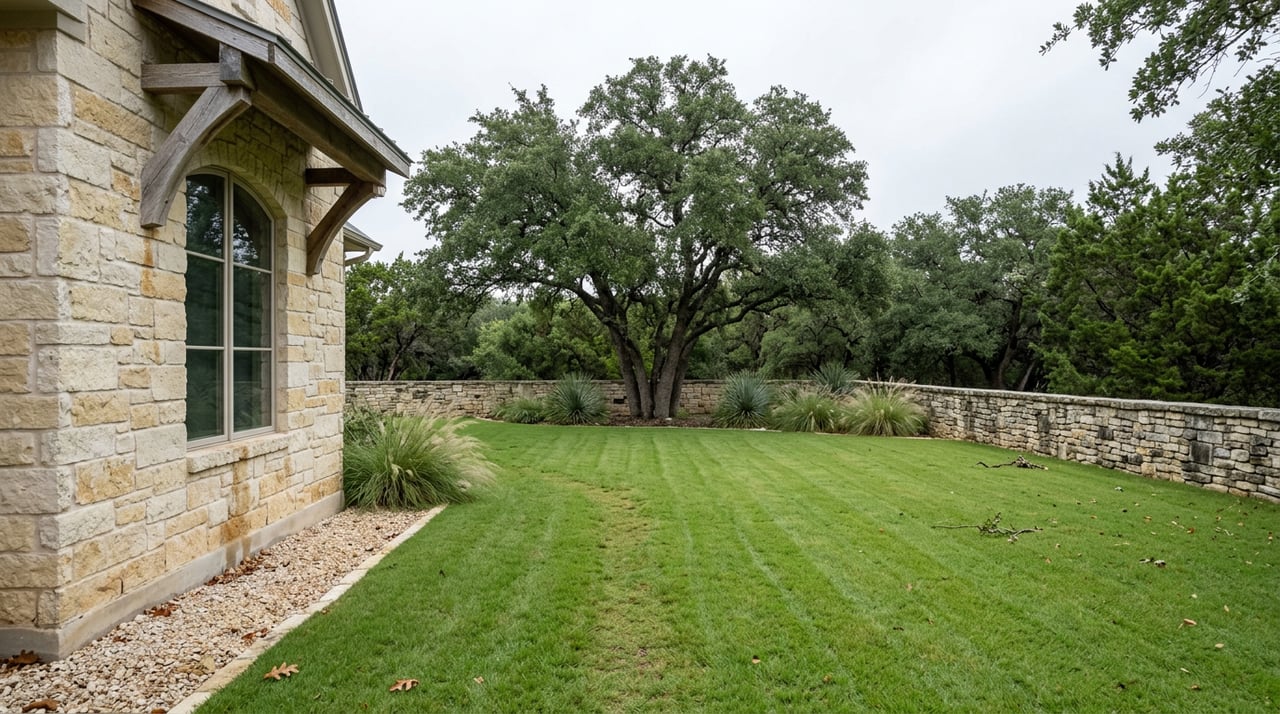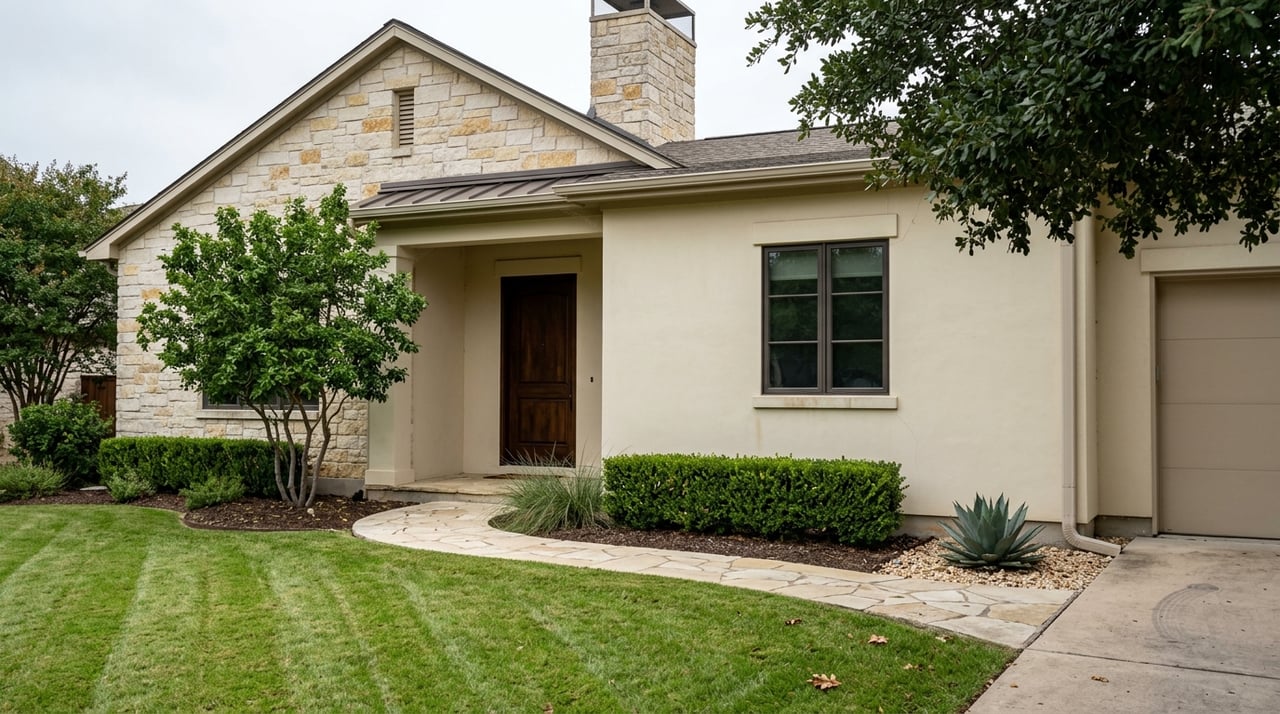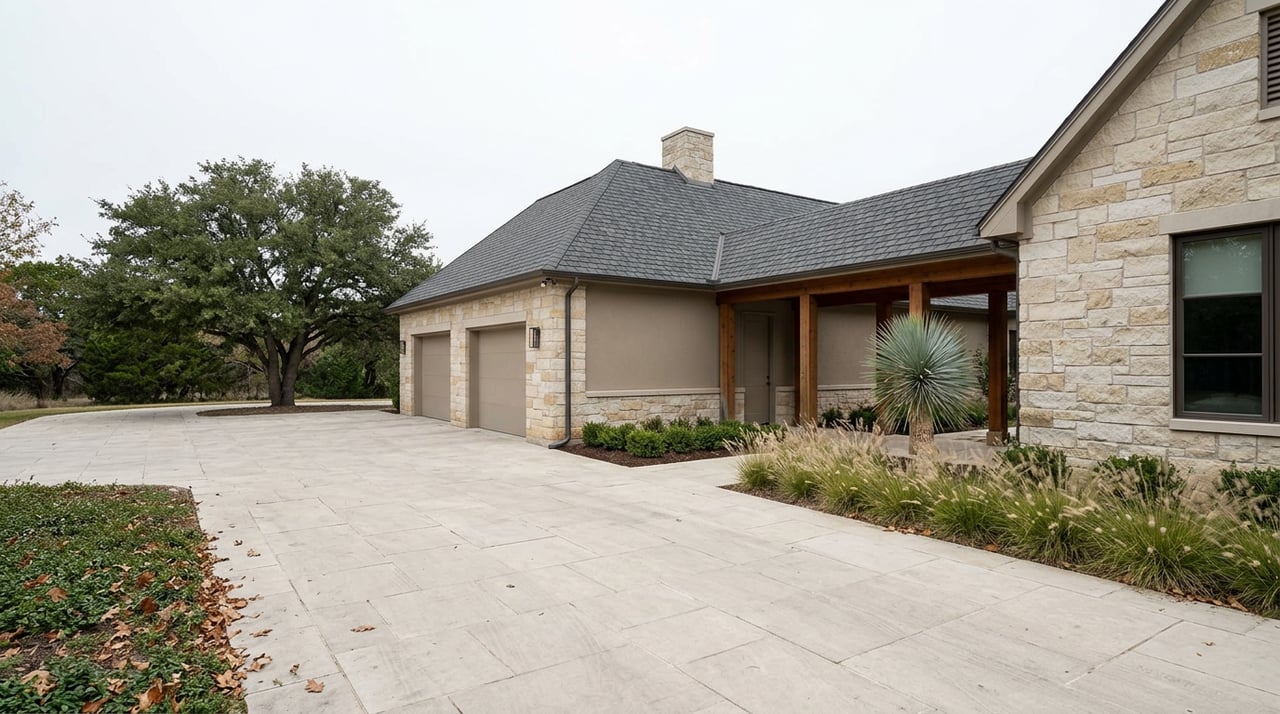
Search four different real estate sites for the median home price in Santa Rita Ranch and you will get four different answers within the hour. As of this summer, one aggregator's neighborhood page lists a median list price near $625,000. Another, pulling from a filtered slice of the same inventory, comes in closer to $550,000. Redfin's tracked sales data for the trailing month puts the median closer to $591,000, up about 10 percent from a year earlier. A builder-fed listings page, updated in late July 2026, puts the average home value at $522,000 while advertising a price range that stretches from the $360,000s to $1.2 million.
None of these numbers is wrong. They are just measuring different parts of the same community, because Santa Rita Ranch is not one neighborhood with one price. It is a collection of villages, each with its own vintage, lot size, builder lineup, and fee structure, marketed under a single name. If you are comparing two listings inside the Ranch and only looking at list price, you are missing the number that actually determines your monthly cost.
The Ranch Is Really Several Ranches
Santa Rita Ranch launched in Liberty Hill with two original sections, Homestead and Eldorado, and has since added Mirabeau, Augustine, Ventana, Saddleback, and an age-restricted section called Regency at Santa Rita Ranch built for residents 55 and older. Builders active across these sections include Taylor Morrison, Highland Homes, Coventry Homes, GFO Home, and Toll Brothers, which handles Regency exclusively.
Each newer village was platted with its own amenity assessment layered on top of a community-wide Master Assessment. That distinction matters more than it sounds. A buyer comparing a $580,000 home in Ventana to a $580,000 home in an older Homestead phase is not comparing two versions of the same monthly payment. They are comparing two different fee stacks that happen to sit under the same brand name.
What the Fee Stack Actually Looks Like
The community's own FAQ page, managed through Goodwin & Co., publishes the current assessment rates for four sections:
| Village | Village Assessment | Master Assessment | Combined Monthly |
|---|---|---|---|
| Mirabeau | $159 | $116 | $275 |
| Augustine | $183 | $116 | $299 |
| Ventana | $198 | $116 | $314 |
| Regency (55+) | $195 | included | $195 |
Homestead, Eldorado, and Saddleback are not broken out with separate published dollar figures, which suggests those original and newer sections may fall under the base Master Assessment without an added village tier, but a buyer should confirm the current number directly rather than assume. HOA structures in a still-growing master-planned community shift as new phases and amenity centers open.
That is exactly what happened this year.
Where the Fee Actually Goes
In May 2026, Santa Rita Ranch opened The Paddock, a new amenity center in the Saddleback village built with a clubhouse, two pools, a playground, and an open-air social space called The Stable. Brenner Design Build handled the complex, Larson & Burns led the landscape design, and Epic Design Build managed construction.
Developer Ed Horne framed the milestone by pointing to the community's total build-out, describing more than "$80 million worth of pools, parks, sports fields" and gathering spaces now open across the Ranch, with the goal of putting a place to relax within reach of every household no matter which village they call home.
That $80 million did not appear from a general fund. It is the direct product of the assessments in the table above, paid monthly by every household in the community, plus the resale transfer fees and new-home markups that fund a master-planned community's amenity roadmap. The Paddock joins an amenity list that already included Ranch Camp, an 8-acre complex with a splash park and pickleball courts that added a new playground in October 2025, the Ranch House with its resort-style pool and two waterslides, The Hub, the Green Play Park, and the Wellness Barn fitness center.
This is not a criticism of the spend. It is the honest answer to a question buyers rarely ask out loud: when your HOA statement says $275 or $314 a month, what is that actually paying for? In Santa Rita Ranch's case, it is paying for a specific, named, still-expanding list of physical amenities, and the newer your village, the more likely your assessment reflects the cost of the amenities built most recently near you.
The Second Bill Nobody Mentions at the Open House
HOA dues are the fee most buyers ask about. The one they often miss is the Municipal Utility District tax, which is separate from both the HOA and the county property tax rate and funds the roads, water, and sewer infrastructure that had to exist before any house could be built.
A current builder disclosure sheet for one section of Santa Rita Ranch, served by NW Williamson County MUD #19C, lists a combined rate across five taxing entities: Williamson ESD #4 at 0.074, Williamson County at 0.37, the MUD itself at 0.85, Williamson County FM/RD at 0.044, and Liberty Hill ISD at 1.24, per $100 of assessed value. Added together, that is roughly $2.58 per $100 of value layered on top of whatever else appears on a Williamson County tax bill.
Not every section of the Ranch sits inside the same MUD, and rates differ by which district covers a given phase. The community's own FAQ page notes that MUD taxes typically decrease or disappear once the district's bonds are repaid, which means an older section may eventually carry a lighter tax load than a newer one still paying down its infrastructure debt, even if the newer section has nicer sidewalks and a shorter walk to The Paddock. Texas law also requires the seller to deliver a MUD disclosure notice before a buyer signs a contract, so this is not a number you have to hunt for. It is a number you are legally entitled to see before you commit, and it is worth reading before you fall in love with a floor plan.
What This Means If You Are Comparing Two Listings
If you are cross-shopping homes inside Santa Rita Ranch, or comparing the Ranch to another master-planned community in Liberty Hill or nearby Georgetown, the list price and even the median price are the least useful numbers you have. The more useful comparison is the combined monthly load: village HOA assessment, Master Assessment, current MUD rate for that specific section, and county tax rate, added together and applied to the actual home you are considering, not the community average.
The market is not moving fast enough that this homework costs you the house. Recent tracked sales data for the community shows homes taking well over 100 days to sell, with Redfin's figures running closer to six months, even as that same data shows the median sale price still up about 10 percent year over year. That combination, rising prices without rising urgency, is unusual, and it means you likely have the time to request the current HOA statement and MUD notice for a specific address before you write an offer, rather than discovering the real monthly number at closing.
A Few Questions Worth Asking Before You Tour
Does the village I'm touring have its own HOA tier, or does it fall under the Master Assessment only? Ask the listing agent for the current statement, not the number quoted on a builder's website from a prior year.
Which MUD serves this specific section, and where is that district in its bond repayment schedule? A district further along in repaying its bonds may see its rate drop sooner than a newly formed one.
Has the amenity assessment changed since a new center opened nearby? Assessments in growing communities are not static, and a center like The Paddock opening in your village is a reasonable moment to ask whether dues were adjusted to reflect it.
Comparing homes by list price alone in a community built this way is comparing the wrong number. The fee stack, not the sticker, is what tells you what you are actually signing up to pay every month, and it is different depending on which section of the Ranch you call home.
If you are weighing a move into Santa Rita Ranch or comparing it against other Georgetown-area communities, Marion Lamantia can walk through the current fee stack, village by village, before you write an offer. Request your free home valuation to start the conversation, whether you are buying into the Ranch or selling out of it.