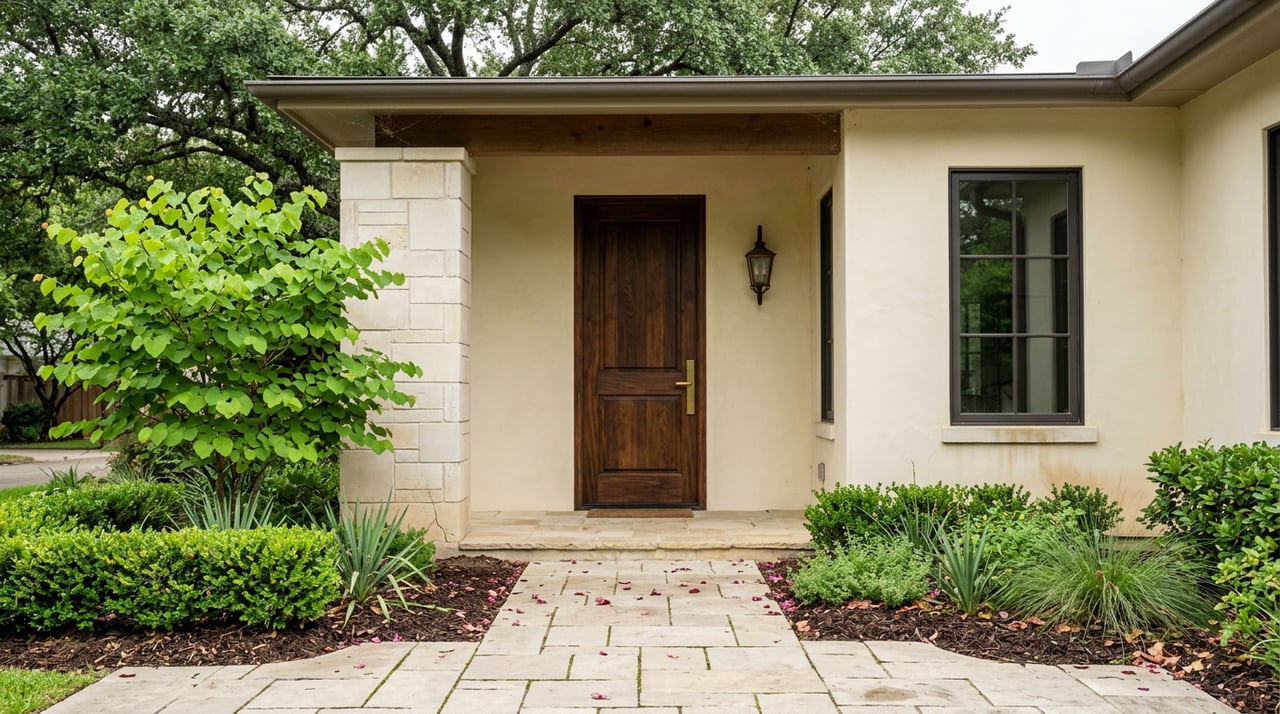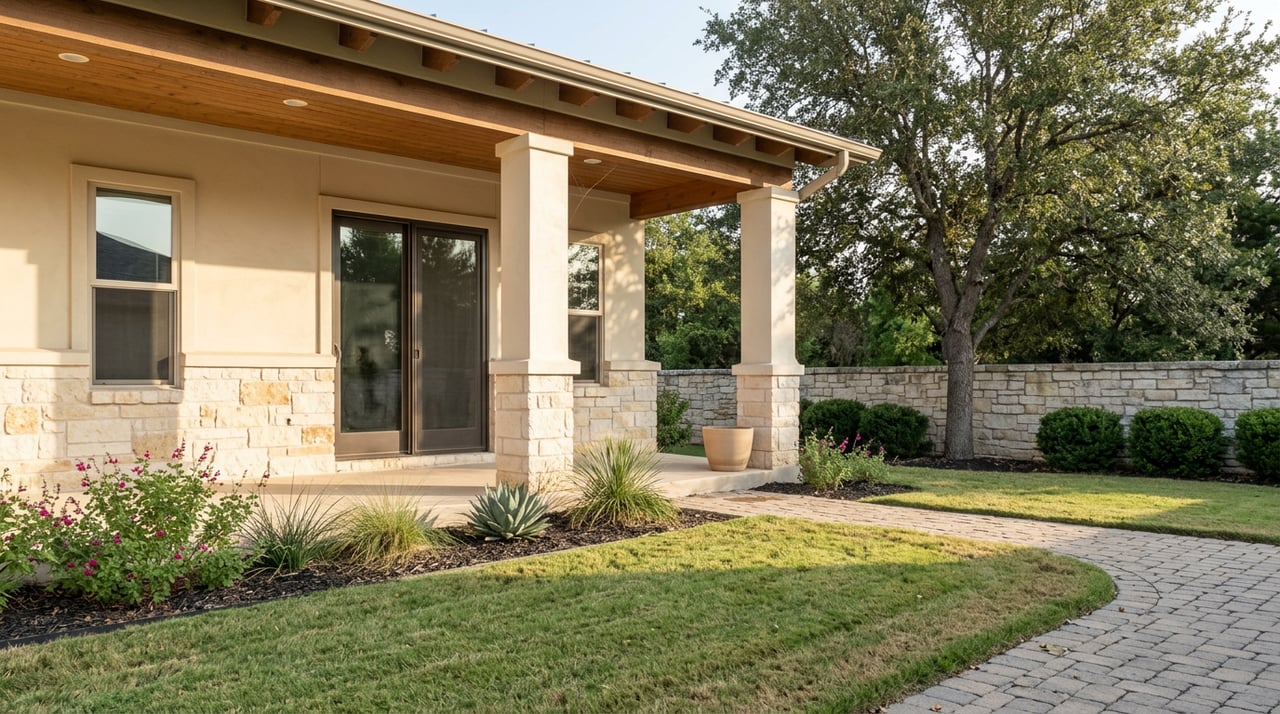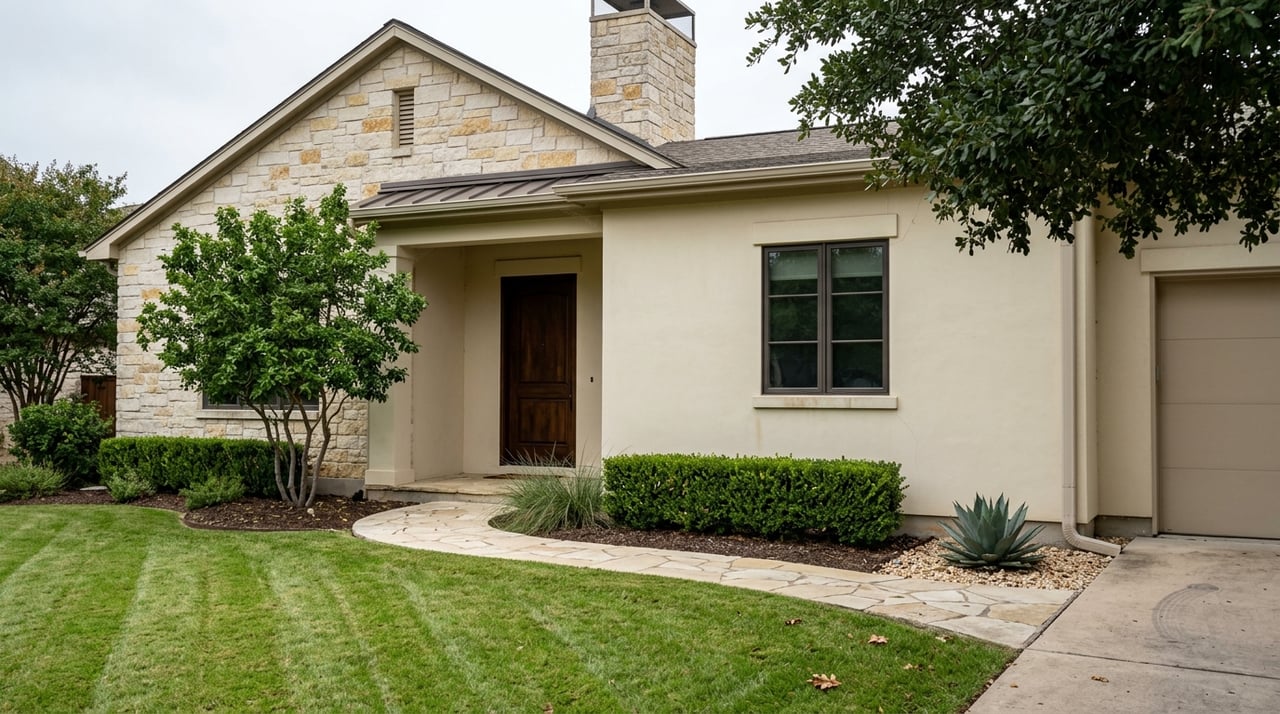
A homeowner in Wolf Ranch's South Fork section lists her resale home this month at $565,000, a number she pulled straight from a nearly identical floor plan that closed four doors down eight months earlier. The comp looks airtight. Same builder, same square footage, same lot width. Then the appraisal comes back at $538,000, and the buyer's lender wants an explanation before they'll move forward.
Nothing about her home changed between the comp and the appraisal. What changed is that nobody told her the $565,000 sale down the street included a rate buydown, a design center credit, and a closing cost concession worth roughly $30,000 in builder-funded value. The county record shows one number. The buyer wrote a much smaller effective check. And now her home is the one absorbing the gap.
This is the friction nobody explains before closing in Wolf Ranch, and it's worth understanding before you price a resale listing or bid on one.
The Number on Record Isn't the Number That Changed Hands
Wolf Ranch is the largest active master-planned community in Williamson County, a 1,120-acre development along the San Gabriel River from Hillwood Communities, with nine builders selling simultaneously across multiple phases. That much competition is good for buyers, but it creates a specific distortion in how prices get recorded.
When a builder offers a 2.99% first-year rate, a $35,000 credit toward closing costs, or a design allowance, that value doesn't show up as a lower sales price. It shows up as the same sales price plus a side agreement the county appraisal district and most public records never separate out. The transaction gets recorded at the sticker number. The buyer's real cost, the amount of cash and financing they actually committed, is lower. But anyone pulling comps later, whether that's a seller pricing a listing or an appraiser evaluating a resale, sees only the recorded figure.
Here's what that gap can look like in practice, using incentive structures that have been available across Wolf Ranch builders this year:
| Component | Recorded sale price | Buyer's net effective cost |
|---|---|---|
| Base contract price | $565,000 | $565,000 |
| Rate buydown value (2.99% first-year programs) | included in price | roughly $12,000-$18,000 in value |
| Closing cost credit (up to $35,000 on select builders) | included in price | up to $35,000 in value |
| Design center allowance | included in price | $2,500-$15,000 depending on builder |
| What the county sees vs. what the buyer paid | $565,000 | often $520,000-$535,000 in real terms |
That's not a hypothetical quirk. It's the standard operating model for new-construction sales right now, and it means every "comp" pulled from a recent builder sale in Wolf Ranch is carrying an asterisk that doesn't appear on paper.
Nine Builders, Nine Ways to Discount Without Lowering the Price
Wolf Ranch's builder roster includes Lennar, Perry Homes, Highland Homes, Drees Custom Homes, Coventry Homes, David Weekley Homes, Pulte Homes, Tri Pointe Homes, and Westin Homes, each running its own incentive calendar. A few examples pulled directly from current builder offers:
- Coventry Homes has offered promotions valued up to $35,000 on to-be-built homes purchased within specific windows this year, applied toward upgrades or closing costs rather than a price reduction.
- David Weekley Homes is currently offering a $2,500 Decorator Allowance for active firefighters, police officers, teachers, and military members purchasing in the Austin area through August 31, again structured as a credit rather than a markdown.
- Multiple builders across the community have advertised sub-3% first-year rates or fixed rates near 4.99% through mortgage buydown structures, which lower the buyer's monthly payment without touching the contract price at all.
None of these show up as a discount in the sales record. All of them change what the buyer actually paid. And because these programs rotate through the year, sometimes appearing for a single fiscal quarter and disappearing the next, the comp pool is never static. A design credit that made a March sale attractive may be gone by the time a June buyer walks into the same model home, which means two homes with identical recorded prices can represent two very different real transactions just a few months apart.
Why Two-Year-Old Resales Are Trading Below Today's Base Price
Here's the part that should reshape how you think about value in Wolf Ranch: in some completed phases, homes that closed as new construction two years ago are now reselling below the base price builders currently quote for the same floor plan.
On the surface that looks like depreciation. It isn't, or at least not entirely. It's the incentive gap finally surfacing. A buyer who purchased in 2024 at a recorded price of, say, $480,000 may have received enough in rate buydown and closing credit value that their real cost was closer to $455,000. When they go to sell today, they're not just competing against inflation or shifting demand. They're competing against a recorded number that never reflected what anyone actually paid, and against active builder inventory next door offering fresh incentives of its own.
For a resale seller in Wolf Ranch, this means pricing off the county record alone is a mistake. The comp that matters is the net effective price, not the sticker price, and pulling that apart usually requires someone who can see the actual incentive structure a builder was running at the time of that comparable sale, not just the closing date and square footage.
The Comp That Doesn't Exist Yet
If incentive-distorted comps are the everyday version of this problem, Wolf Ranch's Genesis Collection is the extreme case. Built in the South Fork section through a partnership between ICON, Lennar, and the architecture firm Bjarke Ingels Group, the 100-home collection uses ICON's robotic Vulcan printer and a proprietary concrete material called Lavacrete to print each home's wall system on site. It's been described as "the world's largest 3D-printed neighborhood," and the homes, ranging from roughly 1,574 to 2,112 square feet, opened for sale starting in the high $460,000s to mid $470,000s.
For a buyer who wants something genuinely different, that's a compelling pitch. For anyone trying to appraise or resell one of these homes down the line, it's a comp problem with no easy answer. There is no meaningful history of 3D-printed home resales anywhere near Georgetown to draw from. When the first Genesis Collection resale happens, an appraiser will likely have to lean on conventional stick-built comps nearby, which may not accurately reflect the construction method, the materials, or the buyer pool willing to consider a printed home. That mismatch could cut either way, appraising low because the product is unfamiliar or appraising high because there's simply nothing else to measure it against.
What This Means Before You Sign Anything
If you're selling a resale home in Wolf Ranch, ask whoever pulls your comps to identify which recent sales were new construction with incentives attached, and get a sense of what those incentives were worth before you set your list price off them. A comp that looks $20,000 higher than your home might just be a comp that came with $20,000 in credits baked in.
If you're buying, whether resale or new construction, ask your lender how they plan to treat any rate buydown or credit in the appraisal, and get the builder's incentive terms in writing before you assume the sticker price and the sale price are the same thing. That's especially true if you're considering the Genesis Collection, where the appraisal process itself is still relatively untested.
None of this makes Wolf Ranch a bad place to buy. It makes it a community where the price on the sign and the price that actually changed hands are two different numbers more often than most buyers realize, and where working with someone who tracks builder incentive cycles closely, rather than someone glancing at a comp sheet, actually changes the outcome.
A Few Questions Worth Asking Directly
Does a builder incentive count against me on my own appraisal? Not automatically, but it depends on how the incentive is structured and how your lender treats it. A rate buydown financed by the builder is generally treated differently than a straight price reduction, and that distinction matters for how your loan-to-value ratio gets calculated.
Are 3D-printed homes in the Genesis Collection financed the same way as a standard Wolf Ranch home? Conventional and government-backed loans have closed on homes in the collection, since the construction method has gone through standard building code review. The comp challenge shows up more at resale than at initial purchase.
What should I budget for HOA costs at Wolf Ranch? The community's 2026 bi-annual assessment is $560, billed in January and June. Patio and garden homes carry an additional landscape maintenance fee of $1,200 per year on top of that, since lawn care is handled by the HOA for those product types.
If you're weighing a resale purchase against new construction in Wolf Ranch, or trying to price a listing against a market where the comps don't always mean what they appear to mean, Marion Lamantia can walk through the actual incentive history behind recent sales before you commit to a number. Request your free home valuation to see what your Wolf Ranch home is really positioned to sell for, net of the noise.