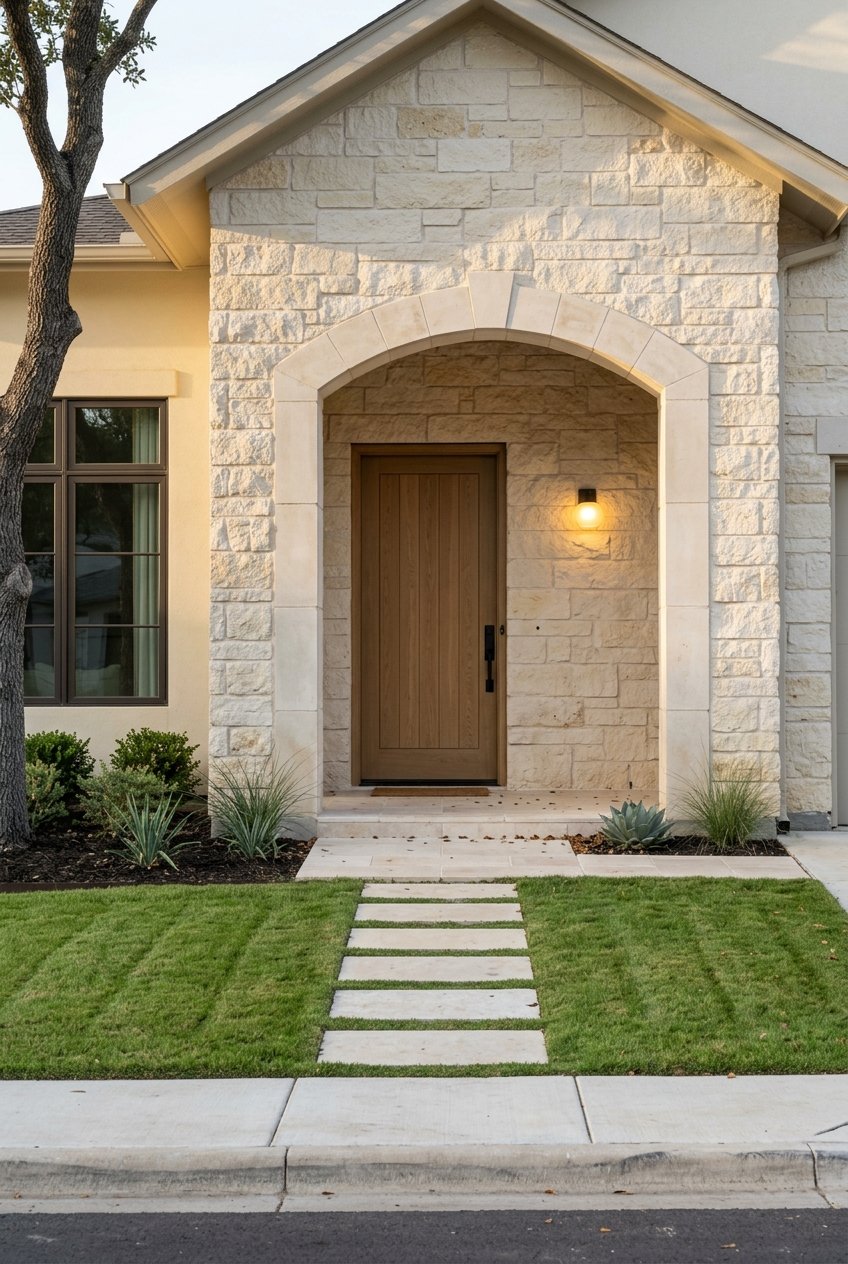
Wondering whether River Chase is the kind of Georgetown neighborhood that matches your next move? If you are looking for more space, a custom-home feel, and a neighborhood with shared amenities, River Chase stands out from many of the newer, denser options in the area. Here’s what you can expect from the homes, the HOA, and the buying process before you make a decision. Let’s dive in.
River Chase at a Glance
River Chase is a small Georgetown POA community in Williamson County with 89 homes. The neighborhood sits along the middle fork of the San Gabriel River, which helps shape its more private, estate-style feel.
The community uses TownSq for communication, amenity booking, service requests, and architecture requests, with AAM/Associa handling account management. That setup gives buyers a good clue that this is an established neighborhood with an active HOA structure already in place.
What Homes in River Chase Look Like
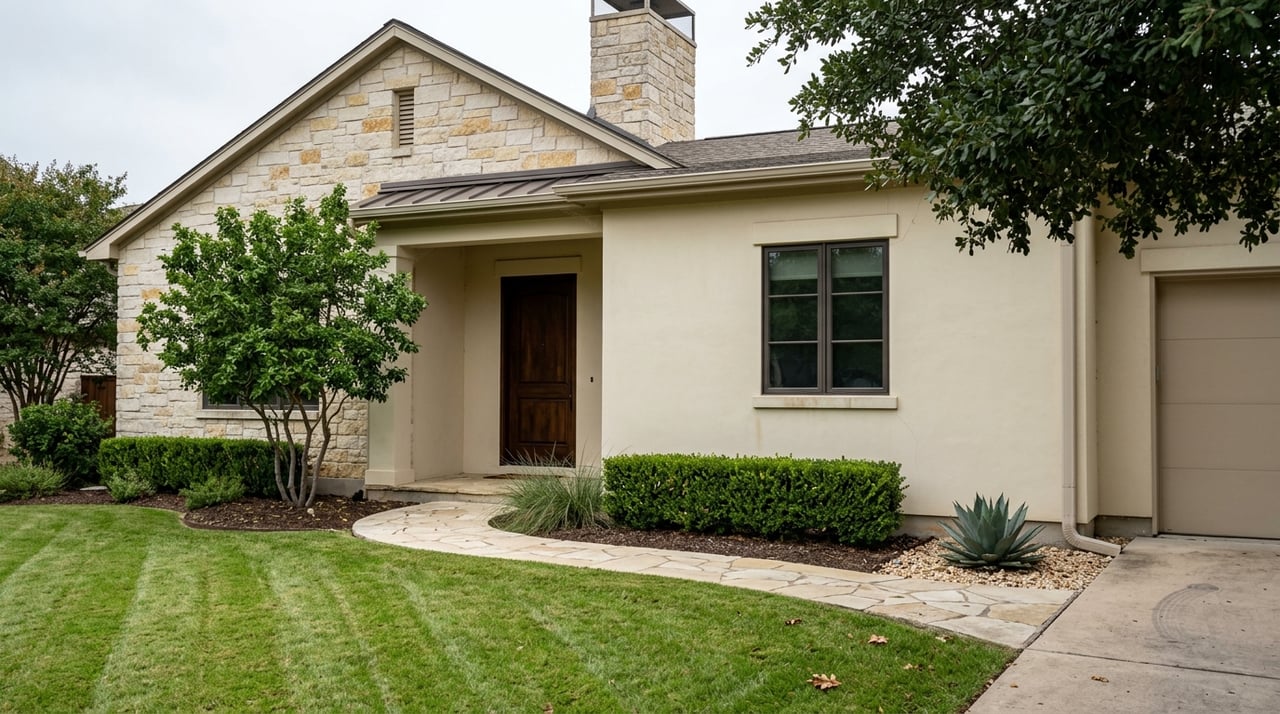
If you are picturing compact lots and repeat floor plans, River Chase is probably not what you will find. Current and recent listings point to a neighborhood made up of custom single-family homes on roughly 1.0 to 1.22-acre lots.
Most homes appear to have been built between 2000 and 2012, with sizes ranging from about 2,800 to 4,260 square feet. Listings also show three to five bedrooms and three to five bathrooms, which puts the neighborhood firmly in the move-up and estate-lot category.
You will also see features that are common in higher-end custom homes, including:
- Pools
- Outdoor kitchens
- Studies
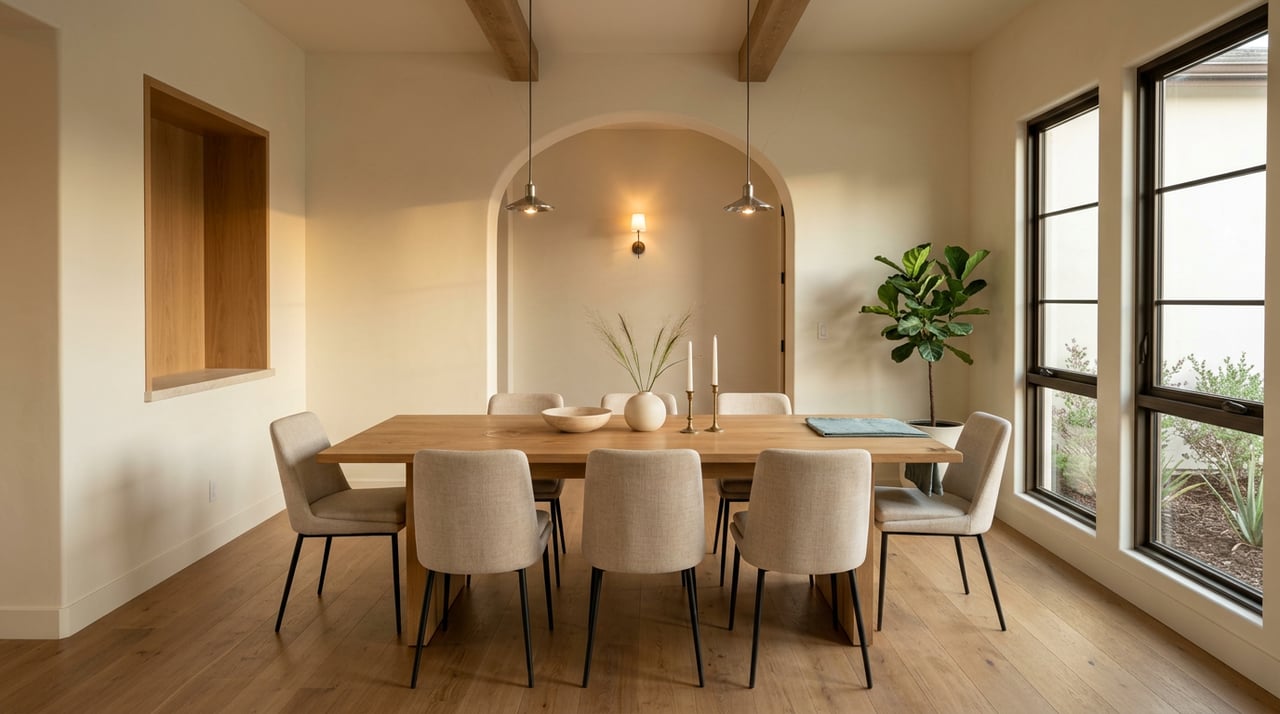
- Multiple living areas
- Fireplaces
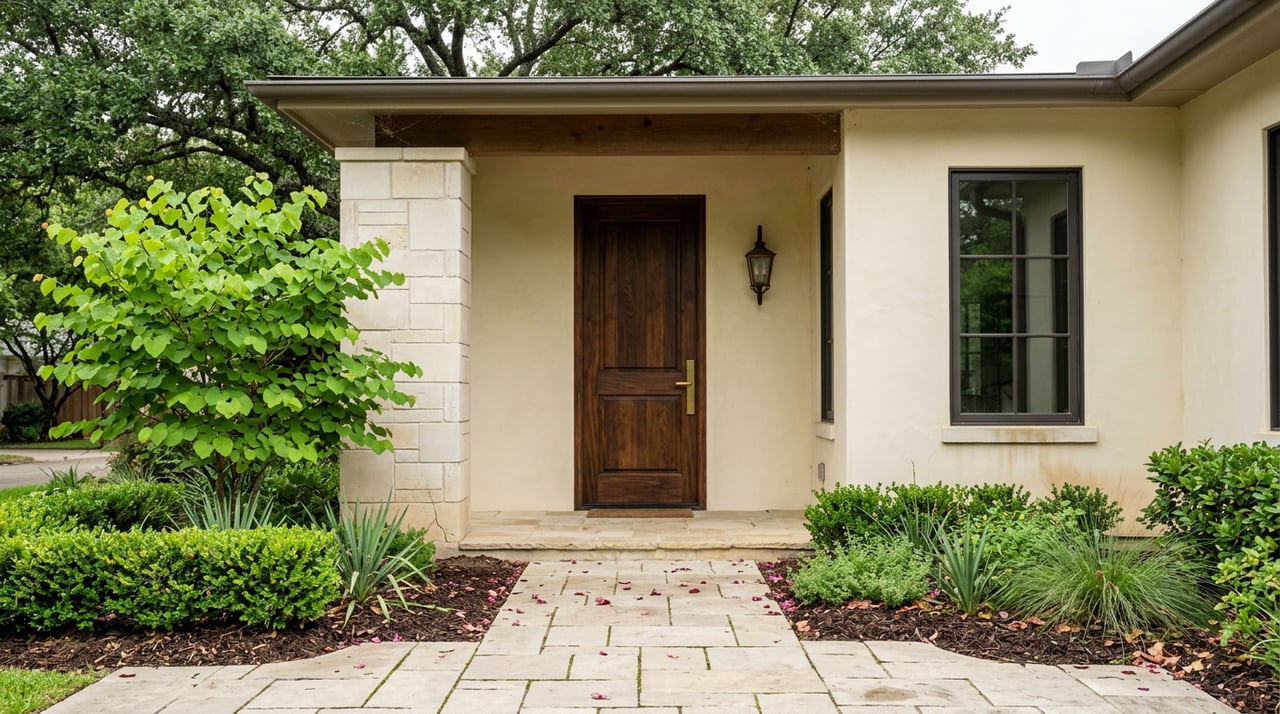
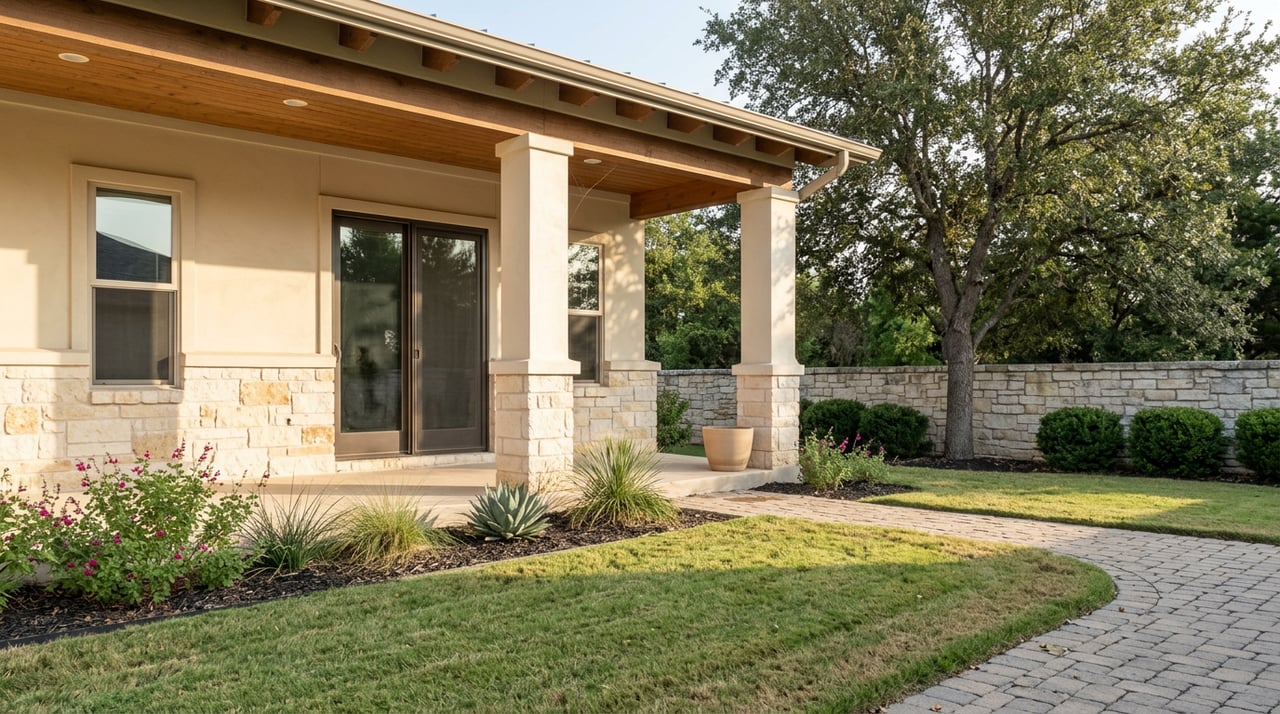
- Masonry, stone, and stucco construction
Taken together, these details suggest River Chase offers a more established, custom-home experience than a typical tract subdivision. If you value larger homesites, mature surroundings, and distinct home designs, that may be a major draw.
Lot Size and Privacy Matter Here
One of the clearest things buyers should expect in River Chase is space. Acre-scale lots create more separation between homes, which can appeal to buyers who want extra room for outdoor living, a pool, or simply a less crowded feel.
That said, larger lots also come with practical considerations. More land can mean more upkeep, from landscaping to irrigation planning to general exterior maintenance, depending on the property.
Utilities Deserve Extra Attention
River Chase homes may not all have the exact same utility setup, so this is an area where careful due diligence matters. Current listings note combinations such as public water, septic systems, propane, and in some cases fiber optic availability.
For buyers, that means it is smart to confirm utility details early in the contract process. Septic condition, propane service, and internet options can all affect how a home functions day to day, especially if you are relocating from a neighborhood with fully uniform municipal utilities.
How River Chase Compares to the Georgetown Market
River Chase sits in a very different price bracket than much of the broader Georgetown market. Recent market references in the research report show Georgetown median sale and listing figures in the mid-$400,000 range, while current River Chase asking prices are roughly $1.03 million to $1.44 million.
That gap is important because it helps set expectations. River Chase is not competing with entry-level or mainstream suburban inventory. It is much more aligned with buyers looking for upper-end Georgetown homes with larger lots and custom features.
What the HOA Covers
The River Chase HOA is a meaningful part of ownership, so buyers should understand it before closing. Current listings show annual HOA dues of $500, or about $42 per month, and those dues cover common-area maintenance.
For many buyers, that may feel moderate relative to the neighborhood’s amenity package. Still, dues are only one part of the picture. You will also want to review usage rules, access policies, and any architectural procedures that may affect future plans for the property.
River Chase Amenities to Expect
River Chase offers a wide range of shared amenities for a neighborhood of its size. Recorded amenities include:
- Clubhouse
- Pool
- Exercise room
- Picnic areas
- Sports courts
- Sport fields
- Pond
- West-side park
- Pavilion
- River access point
- Feeder stream
- Designated camping areas
This blend of features supports a neighborhood experience that goes beyond just larger homesites. If you want both private space at home and access to shared outdoor or recreational spaces, River Chase checks that box in a way many acreage-style communities do not.
Common-Area Rules Buyers Should Know
As with any HOA community, amenities come with rules. In River Chase, only members in good standing may use the common areas, which means dues must be current and there cannot be outstanding violations.
The rules also limit common-area guests to six per household. The clubhouse has a capacity of 60, and there are specific reservation fees and policies for certain amenities.
Here are a few details buyers should know:
- Clubhouse rentals are $50 per four-hour block
- Clubhouse rentals require a $150 deposit
- Pavilion reservations are $25
- Clubhouse reservations do not include the pool
- The pool is open March 1 through October 31
- The pool operates Tuesday through Sunday
- Mondays are reserved for maintenance
These rules are not unusual, but they do matter. If amenity access is part of why you are considering the neighborhood, it is worth understanding exactly how those spaces are used and reserved.
HOA Documents to Review Before Closing
In Texas POA communities, buyers should carefully review subdivision documents before closing. For River Chase, the research report points to TREC Form 37-5 and Texas Property Code Chapter 207 as the governing framework for subdivision information and resale certificates.
The HOA must deliver requested subdivision information within 10 business days after a valid request. That timeline can affect your contract period, so it is important to request documents promptly and review them with care.
Key items to review include:
- Resale certificate
- Declaration
- Bylaws
- Community rules
- Architectural request process
- Current fees and transfer charges
This step matters because it helps you understand not only the monthly or annual cost of ownership, but also how the community operates and what requirements may apply after you move in.
Fees Buyers May See at Closing
Beyond annual dues, River Chase buyers should be aware of several transfer-related charges listed in the current management certificate. These include:
- $45 new-account setup fee
- $375 resale certificate fee
- $75 update fee
- $220 legacy account closure fee
- $75 refinance statement fee
- $175 expedite charge for one business day
- $125 expedite charge for three business days
Not every fee will apply to every transaction, but these costs are worth factoring into your closing budget. In higher-price neighborhoods, it is easy to focus on the purchase price and overlook administrative costs that still affect your bottom line.
Who River Chase Fits Best
River Chase may be a strong fit if you want a custom home on a larger lot, prefer an established Georgetown setting, and like the idea of shared amenities without very high annual dues. It can also appeal to buyers who value privacy, mature trees, and a neighborhood that feels more tucked away than a newer master-planned community.
On the other hand, it may be less suitable if you want a newer high-density subdivision, a lower purchase price point, or a simpler utility setup with fewer property-specific variables. The neighborhood’s estate-lot character is part of its appeal, but it also shapes the ownership experience.
What to Keep in Mind as You Shop
When you tour homes in River Chase, try to look past finishes alone and focus on the full ownership picture. Pay attention to lot usability, tree coverage, outdoor improvements, utility configuration, septic details, and how the home’s layout fits your daily routine.
It also helps to think through how you would use the HOA amenities. A neighborhood pool, clubhouse, river access point, and camping areas can add value, but only if they match the lifestyle you actually want.
If you are buying in a community like River Chase, local guidance matters. The homes are more individualized, the lots are larger, and the contract details often require a sharper eye than a more standardized subdivision purchase.
If you are considering River Chase and want help comparing homes, reviewing neighborhood fit, or navigating the HOA side of the transaction, Marion Lamantia offers a hands-on, boutique approach tailored to Georgetown-area buyers.
FAQs
What types of homes are typically available in River Chase, Georgetown?
- River Chase homes are typically custom single-family properties built from about 2000 to 2012, with roughly 2,800 to 4,260 square feet on around 1.0 to 1.22-acre lots.
What HOA amenities are available in River Chase?
- Recorded amenities include a clubhouse, pool, exercise room, picnic areas, sports courts, sport fields, pond, west-side park, pavilion, river access point, feeder stream, and designated camping areas.
What are the River Chase HOA dues and buyer fees?
- Current listings show annual HOA dues of $500, and the management certificate lists fees such as a $45 new-account setup fee and a $375 resale certificate fee, along with other possible transfer or expedite charges.
What utility details should buyers check in River Chase homes?
- Buyers should confirm the specific utility setup for each property, since listings note items such as public water, septic systems, propane, and in some cases fiber optic availability.
Is River Chase an affordable option compared with the broader Georgetown market?
- River Chase is positioned in Georgetown’s upper-end market, with current asking prices around $1.03 million to $1.44 million, which is well above broader Georgetown median sale and listing figures in the mid-$400,000 range.